

How to Read a Dog Food Ingredient Label
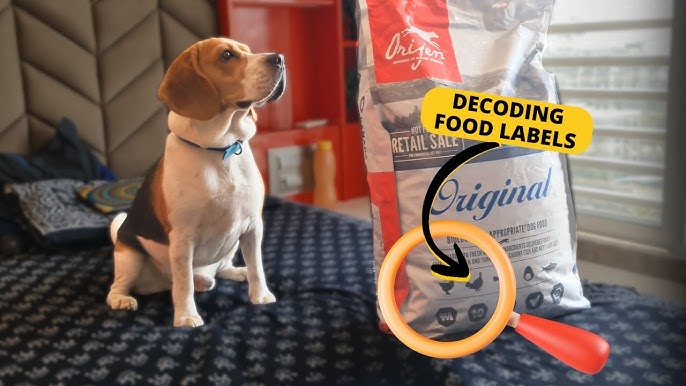
Dog food ingredients are listed by weight before cooking — the heaviest ingredient appears first. This means a food listing “chicken” first contains more chicken by raw weight than any other ingredient. However, raw chicken is approximately 70% water, so after cooking, the actual protein contribution may be lower than a dry ingredient listed second or third. Understanding this distinction is the first step to evaluating food quality accurately.
Step 1: Check the First 5 Ingredients
The first five ingredients make up the majority of the food. Look for a named animal protein as the first ingredient — “chicken,” “beef,” “salmon,” not “meat meal” or “animal by-product.” Named protein sources are identifiable and consistent. Generic terms like “meat” or “animal” can include variable-quality sources that change between batches.
“Chicken meal” or “salmon meal” (named protein meal) is actually a concentrated protein source — the water has been removed before weighing, so it contains more protein per gram than raw “chicken.” A food with “chicken meal” as the first ingredient often has more actual protein than one listing raw “chicken” first.
Step 2: Identify Fillers
Corn, wheat, and soy are common fillers that provide calories but limited nutritional value for dogs. They are not harmful in moderation, but a food where corn appears as the first or second ingredient is using a cheap calorie source rather than animal protein as the nutritional foundation. Rice and oatmeal are higher-quality grain options that provide digestible carbohydrates.
Step 3: Check the Guaranteed Analysis
The guaranteed analysis panel shows minimum crude protein, minimum crude fat, maximum crude fiber, and maximum moisture percentages. For adult dogs, look for minimum 18% protein (25%+ is better for active dogs), minimum 5% fat, and maximum 10% moisture for dry food. Comparing across brands requires converting to dry matter basis — divide each percentage by (1 minus the moisture percentage) to get the true nutrient content without water weight inflating the numbers.
Step 4: Watch for Misleading Marketing
“Natural”: Legally means the food contains no artificial flavors, colors, or preservatives. It does not indicate ingredient quality or sourcing standards.
“Human-grade”: Only meaningful if the food is manufactured in a human-food-certified facility. The term is not consistently regulated and is often used as marketing rather than a meaningful quality claim.
“Grain-free”: Grain-free diets substitute grains with legumes (peas, lentils) or potatoes. The FDA has investigated a potential link between grain-free diets and dilated cardiomyopathy (DCM) in dogs. The research is ongoing and not conclusive, but veterinary consensus currently favors diets that include grains for most dogs unless a specific allergy is diagnosed.
Step 5: Look for AAFCO Statement
The AAFCO (Association of American Feed Control Officials) statement on the package tells you whether the food meets nutritional standards. Look for “complete and balanced nutrition for [life stage]” based on either feeding trials or formulation. Foods meeting AAFCO standards through feeding trials (actual testing on dogs) provide stronger evidence of nutritional adequacy than those meeting standards through formulation alone.
Frequently Asked Questions
Are by-products bad in dog food?
Named by-products (like “chicken by-product meal”) include organ meats and other parts that are nutritionally valuable — liver, heart, and kidneys are nutrient-dense. Generic “animal by-products” are more concerning because the source is unspecified. By-products are not inherently low quality — the specificity of the source is what matters.
Should I avoid foods with preservatives?
Some preservatives are necessary to prevent fat from going rancid. Natural preservatives like mixed tocopherols (vitamin E) and rosemary extract are preferable. Artificial preservatives BHA, BHT, and ethoxyquin are more controversial — while approved for use, many pet owners prefer to avoid them, and most premium brands have moved to natural alternatives.
More FurlyHome Pet Health Guides
- What Human Food Can Dogs Eat Safely?
- What Causes Dog Allergies in the Home?
- Can I Give My Dog Human Fish Oil?
- Dry vs Wet Dog Food for Senior Dogs
Verdict
Reading a dog food label effectively comes down to five things: named animal protein in the first five ingredients, minimal reliance on fillers, adequate protein and fat in the guaranteed analysis, awareness of misleading marketing terms, and an AAFCO complete-and-balanced statement. Price does not always correlate with quality, but very cheap foods almost always rely on filler ingredients. Invest the five minutes it takes to read the label — your dog eats this food every day.








Write Your Review
No reviews yet. Be the first to share your experience!