

Common Reasons Dogs Lick the Floor
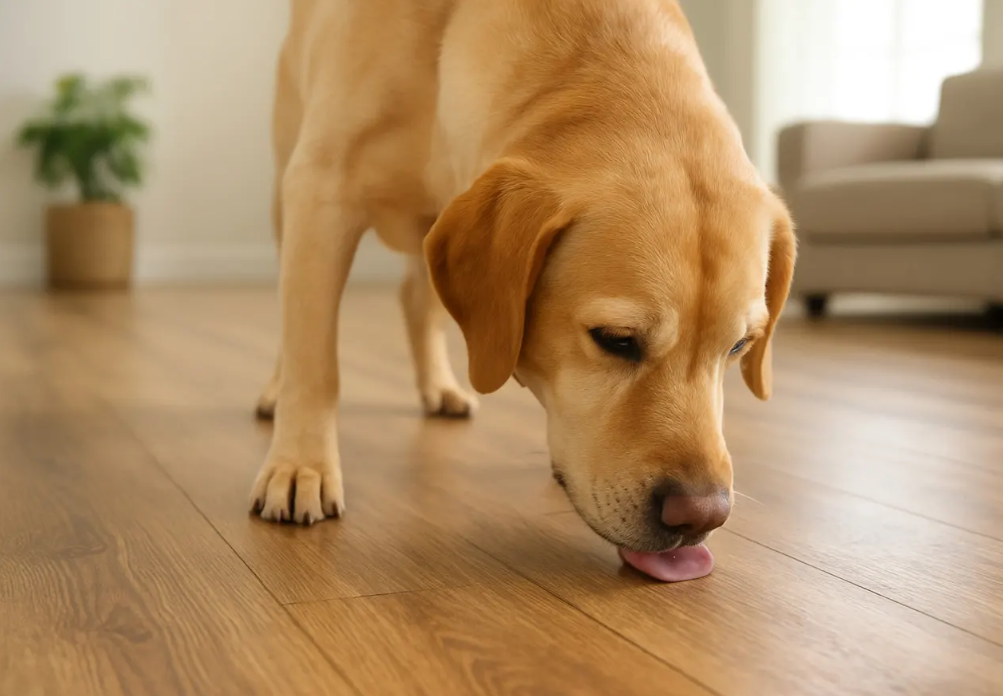
Floor licking in dogs ranges from completely normal to a sign of a serious medical condition, depending on frequency, duration, and context. Occasional floor licking, especially in kitchens or dining areas, is usually just your dog investigating food residue that you can’t see or smell but their nose easily detects. Persistent, repetitive floor licking that happens daily or lasts more than a few minutes at a time is worth investigating further. Maple went through a phase of licking our kitchen tile every evening, and it took weeks to figure out that she was detecting micro-spills from cooking that our cleaning routine wasn’t reaching. Switching to a pet-safe floor cleaner and mopping more thoroughly eliminated the behavior entirely.
1. Food Residue and Scent Investigation
The most common and least concerning reason dogs lick floors is food residue. Dogs can detect food particles at concentrations far below what the human nose registers. Cooking oil splatters, dropped crumbs that were swept up but left invisible residue, spilled drinks, and even the scent left by shoes that walked through a restaurant kitchen can all trigger investigative licking. This type of licking is typically concentrated in kitchens, dining areas, and around feeding stations. It’s brief, targeted, and stops once the dog has investigated the area of interest.
2. Nausea and Gastrointestinal Discomfort
Dogs experiencing nausea often lick surfaces, including floors, walls, and furniture, as a displacement behavior before vomiting. This is known as excessive licking of surfaces (ELS) and has been studied in veterinary literature. A 2012 study published in the Journal of Veterinary Behavior found that 74 percent of dogs presenting with ELS had an underlying gastrointestinal disorder, most commonly delayed gastric emptying, irritable bowel syndrome, chronic pancreatitis, or giardiasis. The licking is thought to be a response to increased salivation that accompanies nausea. If your dog licks the floor and then vomits or shows reduced appetite, gastrointestinal discomfort is the most likely explanation and warrants a veterinary visit.
3. Anxiety and Stress
Repetitive floor licking can be a self-soothing behavior for anxious dogs, similar to how some people bite their nails or fidget. The rhythmic motion of licking releases endorphins that temporarily reduce stress. Dogs with separation anxiety may lick floors, walls, or their own paws extensively when left alone. Noise-phobic dogs may start floor licking during thunderstorms or fireworks. Other signs of anxiety to look for alongside floor licking include panting without exertion, pacing, whale eye (showing the whites of the eyes), yawning when not tired, and tucked tail. For a comprehensive approach to this issue, our guide on calming an anxious dog naturally at home covers both environmental and behavioral strategies.
4. Nutritional Deficiency
Dogs sometimes lick non-food surfaces when their diet lacks specific nutrients. Iron deficiency, B-vitamin deficiency, and insufficient dietary fiber have all been associated with pica-like behaviors including floor licking. This is more common in dogs on restricted or homemade diets that may be nutritionally incomplete, or in dogs with malabsorption disorders that prevent proper nutrient uptake even from a balanced diet. If floor licking is accompanied by eating non-food items (grass, dirt, paper), a nutritional evaluation by your veterinarian is advisable.
5. Compulsive Disorder
When floor licking becomes ritualized, difficult to interrupt, and occupies significant portions of the dog’s day, it may indicate canine compulsive disorder (CCD). CCD is more common in certain breeds, including Doberman Pinschers, Bull Terriers, German Shepherds, and Border Collies. Compulsive floor licking typically follows a predictable pattern (same time of day, same location, same trigger) and the dog appears unable to stop even when prompted. This condition has a neurological component and often requires veterinary behavioral intervention, sometimes including medication.
Less Common but Serious Causes
6. Dental Pain
Dogs with dental disease, broken teeth, or oral masses sometimes lick cool, smooth surfaces for relief. The sensation of the cool floor against their tongue and muzzle provides temporary comfort. Other signs of dental issues include dropping food while eating, preferring soft food over kibble, facial swelling, excessive drooling, and reluctance to have the face touched. Dental disease affects an estimated 80 percent of dogs over age 3, making it one of the most underdiagnosed conditions in pets.
7. Cognitive Dysfunction in Senior Dogs
Older dogs developing canine cognitive dysfunction syndrome (CDS), the dog equivalent of dementia, may exhibit new repetitive behaviors including floor licking. CDS typically begins appearing in dogs over 10 years of age and progresses gradually. Other signs include disorientation in familiar environments, changes in sleep-wake cycles (restlessness at night), reduced interaction with family members, loss of housetraining, and staring at walls or into space. If your senior dog has recently started floor licking alongside any of these signs, a veterinary evaluation can help distinguish CDS from other treatable conditions.
8. Exposure to Cleaning Product Residue
Some dogs are attracted to the taste of floor cleaning product residue, particularly products containing surfactants that have a slightly sweet taste or scents that mimic food compounds. This is concerning because repeated ingestion of cleaning chemicals can cause gastrointestinal irritation and, in some cases, toxicity. If your dog primarily licks floors after you’ve cleaned them, the cleaning product itself may be the attraction. Switching to a residue-free cleaning method like steam mopping or using a product specifically formulated to be safe for pets can resolve this. Our guide to steam mopping safety for pets covers how to clean floors without leaving any chemical residue.
When Floor Licking Requires a Vet Visit
Schedule a veterinary appointment if the licking is new behavior that started suddenly, especially in an adult dog with no prior history. If the licking is persistent, lasting more than a few minutes per episode and occurring daily, this warrants investigation. Watch for accompanying symptoms such as vomiting, diarrhea, reduced appetite, weight loss, or lethargy, as these point to gastrointestinal involvement. Licking that you cannot interrupt, where the dog seems unable to stop even when called or offered a treat, suggests compulsive behavior that may need professional intervention. Any floor licking in a senior dog that is accompanied by other behavioral changes should be evaluated for cognitive dysfunction.
Your veterinarian will likely start with a physical examination, bloodwork (to check for nutritional deficiencies, organ function, and infection markers), and a dental examination. If gastrointestinal involvement is suspected, abdominal imaging or endoscopy may be recommended. The 2012 Journal of Veterinary Behavior study found that treatment of the underlying GI condition resolved the licking behavior in the majority of affected dogs, confirming that ELS is frequently a symptom rather than a primary behavioral problem.
How to Reduce Floor Licking at Home
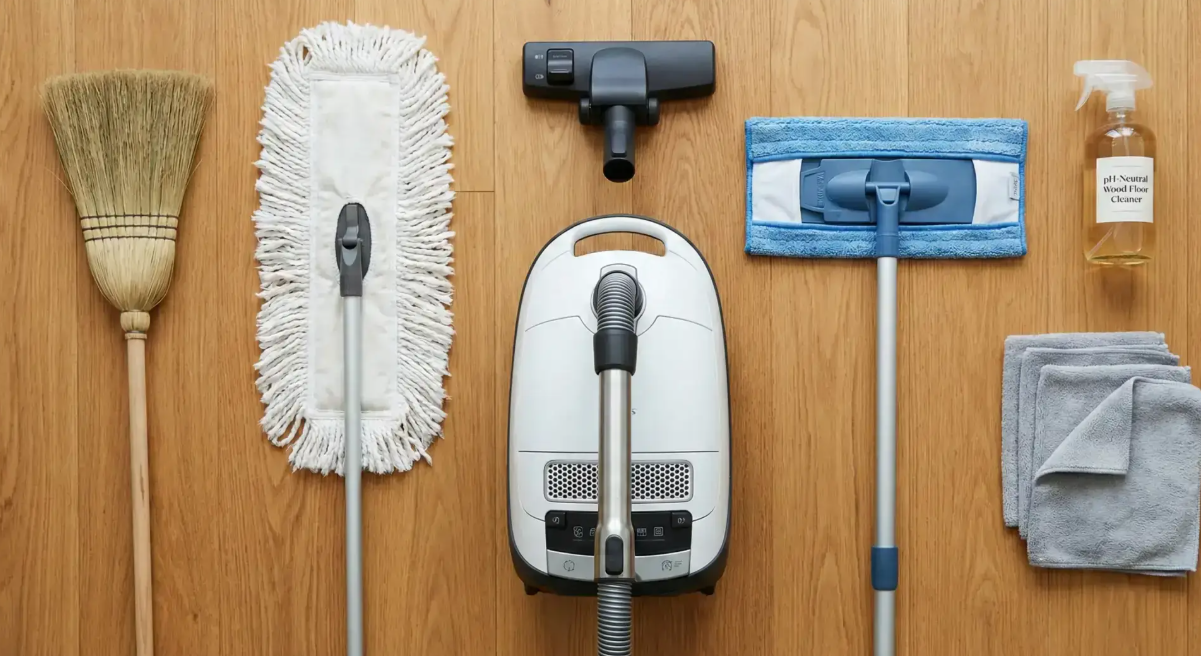
If your veterinarian has ruled out medical causes, environmental management can reduce or eliminate the behavior. Clean floors thoroughly after cooking, paying attention to grease splatters and micro-spills that settle beyond the visible cooking area. Use a pet-safe, residue-free floor cleaner to remove any chemical taste attraction. Provide appropriate licking outlets such as lick mats or frozen Kong toys filled with peanut butter, which satisfy the licking urge in a directed way. Increase mental stimulation through puzzle feeders, training sessions, and structured walks to reduce anxiety-driven behaviors. If the licking occurs at predictable times, redirect the dog with an activity before the behavior starts. For dogs with anxiety-related licking, address the underlying anxiety through environmental changes, desensitization protocols, and, if recommended by your veterinarian, anti-anxiety medication.
Floor Safety for Floor-Licking Dogs
If your dog licks floors regardless of intervention, ensure the floors are safe to lick. Eliminate all cleaning products that contain phenols, formaldehyde, or quaternary ammonium compounds. Avoid floor polishes and wax products that leave surface residue. Check that no pest control products (ant traps, roach bait, rodent poison) are accessible at floor level. Inspect floors for small objects that could be ingested during licking sessions. For dogs that lick hardwood floors specifically, be aware that older floor finishes may contain lead-based pigments, especially in homes built before 1978. Testing kits are available at hardware stores. Our guide to the best pet-safe hardwood floor cleaners covers products specifically formulated to leave zero harmful residue.
Frequently Asked Questions
Is floor licking a sign of hunger in dogs?
Floor licking is not typically a sign of simple hunger. A hungry dog will seek food, beg, or investigate food storage areas rather than lick bare floors. However, floor licking related to nutritional deficiency (where the body craves specific nutrients absent from the diet) can be misinterpreted as hunger. If your dog licks floors and also eats unusual non-food items, a dietary evaluation is warranted.
Should I stop my dog from licking the floor?
Brief, occasional floor licking in food preparation areas is normal and harmless if the floor is clean and free of chemical residue. You should intervene if the licking is persistent or compulsive, if the floor has been recently treated with cleaning products, or if the licking is accompanied by other symptoms like vomiting or appetite changes. Punishing floor licking is counterproductive, as it increases anxiety and can intensify the behavior.
Why does my dog only lick the floor at night?
Nighttime floor licking often indicates nausea from an empty stomach, particularly if it occurs in the late evening or early morning hours. Dogs that eat dinner at 5 or 6 PM and don’t eat again until 7 or 8 AM may develop bile accumulation that causes nausea. Try offering a small bedtime snack. If the behavior persists, gastroesophageal reflux, which worsens when the dog lies down, may be contributing and should be discussed with your veterinarian.






Write Your Review
No reviews yet. Be the first to share your experience!