

Why Dog Hair Clogs Vacuums (And Why It’s Preventable)
Vacuum clogs from dog hair happen in three specific locations: the brush roll (hair wraps around the bar until it can’t spin), the hose and wand (hair combines with dust and debris to form blockages at bends and narrow points), and the filter (fine undercoat fibers clog filter pores and reduce suction). Each problem has a different solution, and addressing all three prevents the frustrating cycle of vacuuming for 5 minutes, stopping to unclog for 10, and giving up. Biscuit’s golden retriever undercoat used to kill a vacuum session every single time until I learned that the problem wasn’t the vacuum; it was my technique and maintenance schedule. Here’s what actually works.
Step 1: Pre-Vacuum With a Rubber Broom or Rake
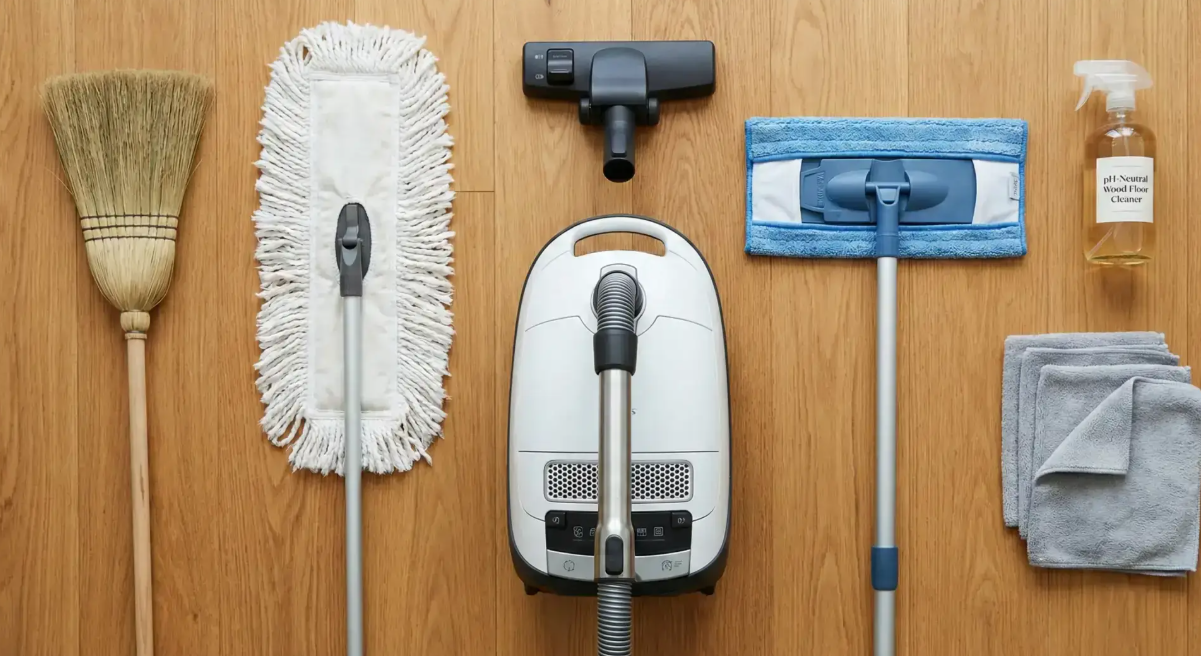
The most effective anti-clog strategy happens before you turn on the vacuum. Run a rubber broom or carpet rake over the area first, which pulls long hairs out of carpet fibers and collects them into visible clumps on the surface. These clumps are easy to pick up by hand or with a dustpan before vacuuming. This reduces the volume of long hair entering the vacuum by 50 to 70 percent, which is the hair most likely to cause brush roll tangling. On hard floors, a dry microfiber dust mop serves the same purpose, collecting hair through static attraction rather than suction. This pre-pass takes 3 to 5 minutes for a typical room and dramatically extends the time between clog events.
Step 2: Maintain the Brush Roll Weekly
Clean Hair From the Brush Roll
Flip the vacuum over and examine the brush roll after every 2 to 3 uses. Use scissors or a seam ripper to cut hair wrapped around the roll lengthwise (cut along the roll’s axis to avoid damaging bristles), then pull the cut hair free. In heavy-shedding households, this needs to happen weekly. A brush roll with accumulated hair has reduced contact with the carpet surface, decreased spinning efficiency, and puts strain on the belt that drives it. Eventual belt failure from hair-induced drag is the most common vacuum breakdown in pet households.
Consider Anti-Tangle Brush Roll Technology
Newer vacuum models feature rubber fin brush rolls instead of traditional bristle rolls. These rubber designs allow hair to pass through rather than wrapping around the bar. Brands like Dyson, Shark, and Bissell offer pet-specific models with these anti-tangle designs. The rubber fins are also easier to clean when hair does accumulate. If you’re due for a new vacuum, this single feature reduces maintenance time more than any other pet-specific upgrade. For model comparisons, our guide on the best vacuums for pet hair on hardwood floors covers models with anti-tangle technology.
Step 3: Empty the Dustbin Before It’s Full
Dog hair is bulky relative to its weight. A dustbin that looks half-full by volume may already be restricting airflow enough to reduce suction and cause secondary clogs in the hose. Empty bagless canisters when they’re one-half to two-thirds full rather than waiting for the “full” indicator or until the canister is visibly packed. For bagged vacuums, replace the bag at the same threshold. An overfull bag or canister forces the vacuum motor to work harder, overheating and shortening its lifespan. In a household with a heavy-shedding dog, you may need to empty the canister after every room rather than after the whole house.
Step 4: Clean or Replace Filters on Schedule
Vacuum filters in pet households need attention more frequently than manufacturer recommendations suggest (most recommendations assume no pets). Washable pre-motor filters should be rinsed under running water every 2 weeks and allowed to dry completely (at least 24 hours) before reinstalling. Never run a vacuum with a wet filter, as this promotes mold growth and damages the motor. HEPA exhaust filters should be replaced every 6 months in pet households rather than the 12-month intervals typical for pet-free homes. A clogged HEPA filter doesn’t just reduce suction; it also allows allergens to bypass the filter and blow back into the room through microscopic gaps created by the pressure differential.
Step 5: Vacuum in the Right Direction and Speed
Vacuuming technique matters more than most people realize. Slow, overlapping passes in the direction of carpet pile pick up significantly more hair than fast, erratic passes. Push the vacuum forward slowly (about 1 foot per second), then pull it back over the same path. Overlap each pass by about 50 percent. On hard floors, switch off the brush roll (use the bare floor setting) to prevent hair from being scattered rather than picked up. The brush roll is designed to agitate carpet fibers and dislodge embedded debris; on hard floors, it just pushes lightweight hair around and can scratch the surface. For a broader comparison of cleaning approaches, our guide on robot vs regular vacuums for pet hair covers how each type handles dog hair differently.
Clearing a Clog When It Happens
When suction drops suddenly during vacuuming, a clog has formed. Turn off and unplug the vacuum immediately. Check these locations in order: First, the brush roll for hair wrapping. Second, the transition point where the floor nozzle connects to the hose, which is the narrowest point in most vacuums and where clogs form most frequently. Disconnect the hose and look through it; use a broomstick or straightened wire hanger to push through any blockage. Third, the hose itself, particularly at curves. Stretch the hose straight and use a long, rigid object to push the clog through from one end. Fourth, the dustbin intake, where a wad of hair can form a seal that blocks airflow even when the bin isn’t full. Prevention is faster than cure: the pre-vacuum rubber broom pass and regular brush roll maintenance together eliminate 90 percent of clog events.
Vacuum Settings That Reduce Clogs
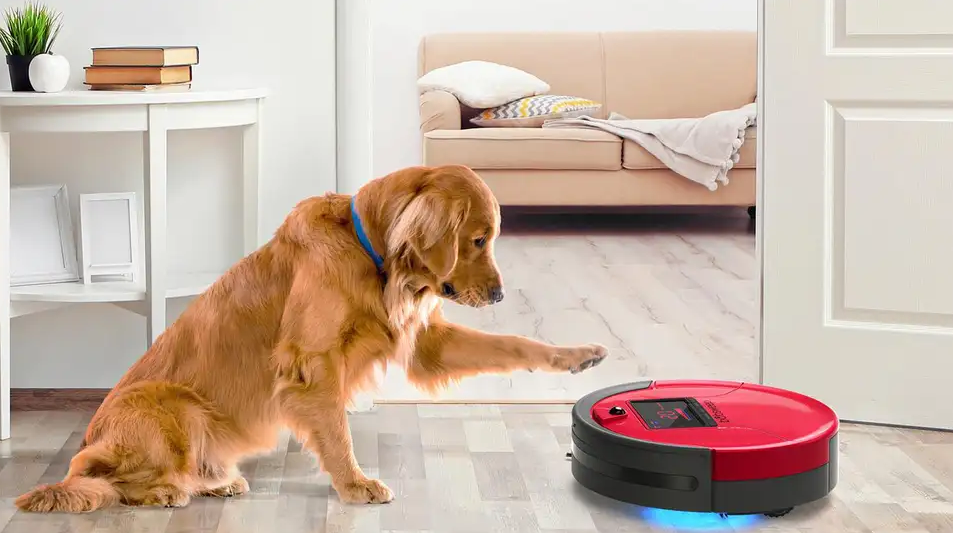
Most quality vacuums have adjustable suction and brush roll height settings. For pet hair on carpet, set the brush roll height to match your carpet pile height: too low creates excessive resistance and strains the belt; too high means the brush doesn’t reach embedded hair. If your vacuum has a suction adjustment, use medium suction for routine maintenance and full suction for weekly deep cleaning. Maximum suction on every pass can actually press the floor nozzle against the carpet so tightly that it restricts airflow and reduces pickup efficiency. For hair on hard floors specifically, use the dedicated hard floor attachment or setting rather than the motorized floor head, as this provides better suction geometry for surface-level debris and prevents scratch damage. For daily maintenance with less effort, a robot vacuum for pet hair handles the baseline cleaning between your manual sessions.
Frequently Asked Questions
How often should I vacuum if I have a heavy-shedding dog?
Three to five times per week for high-traffic areas, with a full-house deep vacuum once weekly. Heavy shedders like Golden Retrievers, Huskies, and German Shepherds produce enough loose hair daily that waiting a full week between vacuuming allows hair to embed deeply in carpet fibers, making each session harder and increasing clog risk. A robot vacuum running daily between manual sessions is the most practical approach for heavy shedders.
What vacuum feature matters most for pet hair?
An anti-tangle brush roll design matters more than raw suction power for pet hair specifically. High suction with a traditional bristle brush roll still results in hair wrapping and clogs. Anti-tangle brush rolls (rubber fin or comb designs) allow hair to be sucked into the dustbin without wrapping, maintaining consistent performance between maintenance sessions. HEPA filtration is the second most important feature for pet households, particularly for allergy sufferers.
Can dog hair damage a vacuum permanently?
Yes, prolonged hair accumulation can cause permanent damage. Hair wrapped around the brush roll creates friction that overheats and breaks the drive belt, the most common pet-related vacuum failure. Fine undercoat fibers can bypass filters and reach the motor, where they accumulate around bearings and cause overheating. Consistently overfilling the dustbin strains the motor through increased back pressure. Regular maintenance (weekly brush roll cleaning, timely filter replacement, and frequent bin emptying) prevents all of these failure modes.





Write Your Review
No reviews yet. Be the first to share your experience!