

The Short Answer: Yes, With Important Conditions
Steam mopping is safe for pets and is often a better choice than chemical floor cleaners for pet households. Steam mops heat water to 200 to 212 degrees Fahrenheit, producing vapor that sanitizes floors without chemical residue. Since dogs and cats walk barefoot on your floors, lick their paws, and lie directly on hard surfaces, eliminating chemical exposure is a meaningful safety advantage. However, steam mopping has specific limitations and risks that pet owners should understand before relying on it as their primary floor cleaning method. I switched to steam mopping two years ago specifically because Maple licks the kitchen floor after meals, and knowing there’s no chemical residue gives me one less thing to worry about.
Why Steam Mopping Works Well for Pet Homes
No chemical residue. Many conventional floor cleaners contain surfactants, fragrances, and antimicrobial compounds that leave invisible residue on floors. Pets absorb these chemicals through paw pad contact and ingestion when they lick surfaces or groom their paws. Steam uses only water, leaving zero chemical residue after the floor dries, which happens within 1 to 3 minutes because the steam evaporates quickly. Effective sanitization. Steam at 200-plus degrees Fahrenheit kills most bacteria, including E. coli and Salmonella, within 15 to 20 seconds of contact. This makes it useful in homes with puppies or immunocompromised pets. It also eliminates dust mites, a common trigger for pet allergies. Odor neutralization. Steam denatures odor-causing proteins on hard surfaces, making it useful for cleaning around feeding stations and litter box areas where organic residue accumulates. For the best pet-safe mopping options overall, our guide to the best mops for pet owners covers both steam and non-steam options.
Safety Rules for Steam Mopping Around Pets
Keep Pets Out of the Room During Use
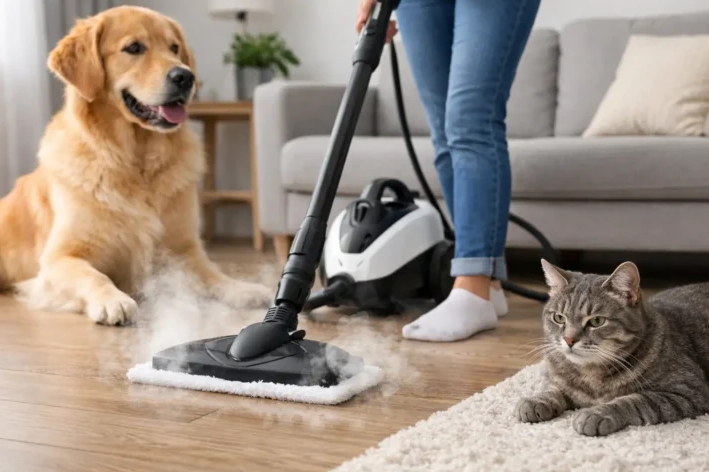
The steam itself can burn skin on contact, and the mop head reaches temperatures that can injure paw pads. Keep dogs and cats out of the room while you’re actively mopping and for 3 to 5 minutes afterward until the floor is completely dry and cool. Most floors dry within 1 to 2 minutes after steam mopping, so this is a brief precaution. Curious dogs who follow you around the house should be gated or crated during mopping sessions.
Never Add Cleaning Products to the Water Tank
Some steam mop manufacturers sell scented solutions or cleaning additives for their water tanks. Avoid these in pet households. The entire advantage of steam mopping is that it produces chemical-free cleaning. Adding products reintroduces exactly the residue problem you’re trying to avoid. Essential oils are particularly risky: tea tree oil, eucalyptus, and peppermint oil are toxic to cats at concentrations that seem harmless to humans, and steam vaporization disperses these compounds into the air where pets inhale them.
Check Your Floor Type First
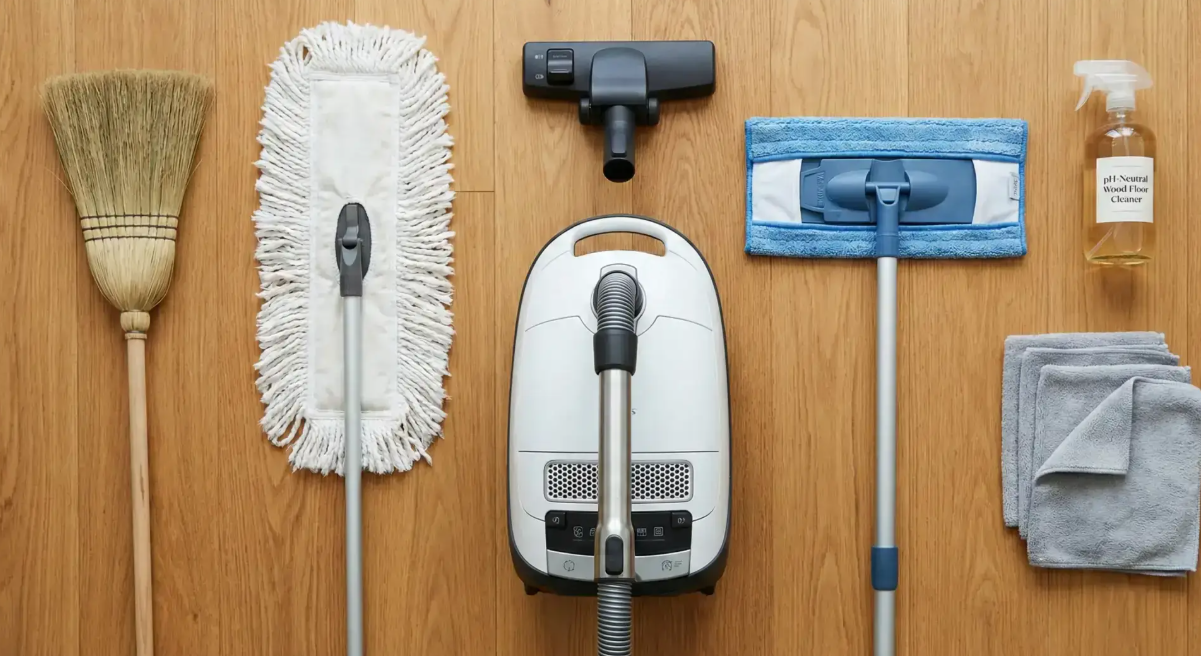
Steam mopping is safe for sealed tile, sealed stone, sealed concrete, and most vinyl plank flooring. It is not recommended for hardwood floors, as steam forces moisture into wood grain and seams, potentially causing warping, swelling, and finish damage over time. Most hardwood floor manufacturers explicitly void their warranty if steam mopping is used. Laminate floors are also generally not steam-mop safe, as moisture can penetrate the seams and cause the fiberboard core to swell. If you have hardwood floors and want a chemical-free option, a damp microfiber mop with plain water is safer. Our guide on keeping hardwood floors clean with dogs covers the best approaches for wood surfaces.
What Steam Mopping Cannot Do
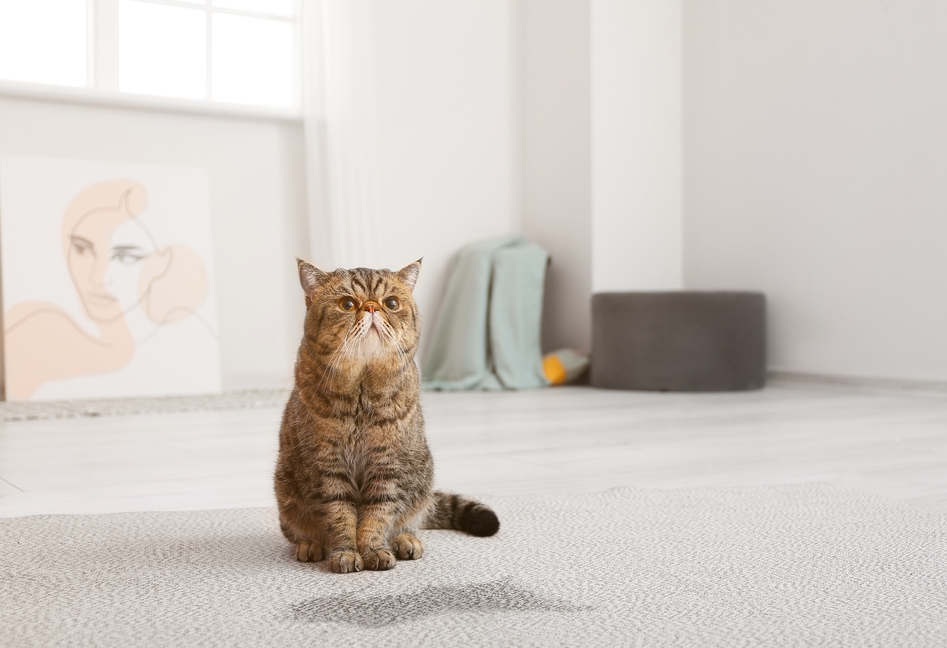
It won’t remove pet urine odor from grout or porous surfaces. Steam heat can actually set uric acid deeper into grout lines by driving moisture into the pores without breaking down the uric acid crystals. For urine odor in grout, use an enzymatic cleaner applied with a brush to scrub into the grout texture. It won’t remove pet hair. Sweep, dust-mop, or vacuum before steam mopping. Running a steam mop over pet hair creates a wet, matted mess that’s harder to clean up than the original hair. It won’t sanitize carpet. Consumer steam mops don’t produce enough sustained heat to sanitize carpet fibers. They can push moisture into carpet pads, creating conditions for mold growth. For cleaning beyond what steam mopping handles, our pet-safe floor cleaner guide covers complementary products.
Steam Mopping vs Chemical Mopping for Pet Safety
The primary advantage of steam mopping is eliminating chemical exposure. Common floor cleaner ingredients of concern for pets include quaternary ammonium compounds (found in many antibacterial cleaners, which can irritate paws and mucous membranes), phenols (toxic to cats even in small amounts, found in some pine-scented cleaners), and formaldehyde-releasing preservatives (found in some commercial floor cleaning concentrates). Dogs are less chemically sensitive than cats but still absorb floor cleaner residue through paw pads, which have thin, permeable skin. A 2019 study published in the journal Science of the Total Environment found detectable levels of household cleaning chemical residues on indoor-only cats’ fur, suggesting ongoing exposure through surface contact.
The trade-off is that steam mopping doesn’t provide the deep cleaning power of a dedicated floor cleaner for heavy soiling. For pet homes, the practical approach is to use steam mopping for routine daily or every-other-day maintenance and reserve a pet-safe floor cleaner for weekly deep cleaning or spot treatment of specific messes.
Frequently Asked Questions
Can steam mopping kill fleas on floors?
Steam mopping kills adult fleas, larvae, and eggs on contact because they cannot survive temperatures above 95 degrees Fahrenheit for sustained periods. However, steam mopping only treats the floor surface and does not reach fleas in carpet fibers, furniture crevices, or pet bedding. It is a useful supplement to a comprehensive flea treatment plan but should not be relied on as the sole method of flea control.
How often should I steam mop with pets in the house?
Two to three times per week is sufficient for most pet households. Daily steam mopping is unnecessary and can shorten the lifespan of some flooring materials through repeated heat exposure. On days you don’t steam mop, a dry microfiber dust mop handles pet hair and light debris effectively. High-traffic areas like entryways and feeding stations may benefit from more frequent attention.
Are steam mops better than robot mops for pet owners?
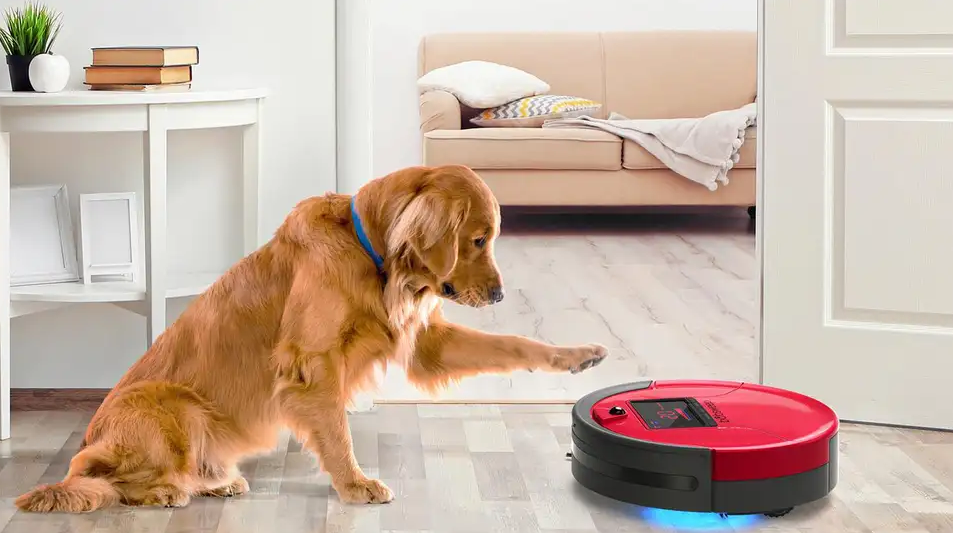
Steam mops provide sanitization that robot mops cannot replicate, as robot mops use ambient-temperature water or cleaning solution. Robot mops excel at daily maintenance with minimal effort, keeping floors consistently clean between deeper steam mop sessions. The ideal setup for a pet household combines both: a robot mop for daily passes and a steam mop for weekly sanitizing.



Write Your Review
No reviews yet. Be the first to share your experience!