

What Causes Dog Allergies in the Home?
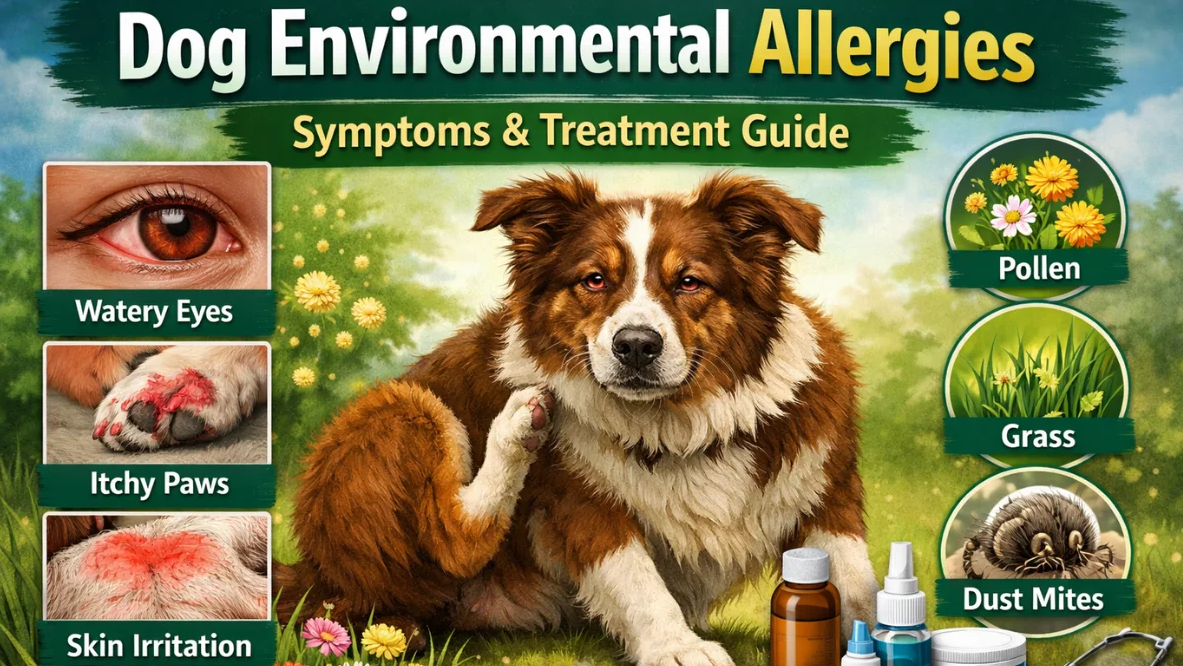
Home environmental allergies in dogs are triggered by the same substances that affect allergic humans: dust mites, mold spores, pollen tracked indoors, cleaning product residues, and certain fabric or material irritants. Unlike food allergies (which cause year-round symptoms), environmental allergies often follow seasonal patterns or worsen in specific rooms or conditions. The most common signs are persistent scratching, paw licking, ear infections, and red or irritated skin — particularly on the belly, paws, ears, and armpits.
Top Home Allergens for Dogs
Dust mites: The number one indoor allergen for dogs. Dust mites live in bedding, carpets, upholstered furniture, and any fabric that accumulates dead skin cells. Dogs that sleep on unwashed bedding or lie on carpeted floors are in constant contact with mite colonies and their waste products, which are the actual allergen. Washing dog beds and fabric covers weekly in hot water (130°F minimum) kills dust mites effectively. See best pet-proof bedding sets for washable options.
Mold: Mold spores thrive in damp areas — bathrooms, basements, under kitchen sinks, and around leaky windows. Dogs with mold allergies often worsen in humid weather or after spending time in damp areas of the house. Addressing moisture sources and improving ventilation in damp areas reduces mold exposure.
Pollen: Tracked indoors on shoes, clothing, and the dog’s own coat. Wiping paws and belly after outdoor walks removes a significant portion of pollen before it distributes through the house.
Cleaning products: Residues from floor cleaners, laundry detergents, and carpet shampoos contact your dog’s skin through paws, belly, and any surface the dog lies on. Dogs are low to the ground and absorb more chemical residue than humans. Switch to fragrance-free, dye-free products if your dog shows skin irritation.
Cigarette smoke: Both secondhand smoke and residue on surfaces (thirdhand smoke) cause respiratory and skin irritation in dogs. Dogs in smoking households have higher rates of nasal cancer, respiratory disease, and skin conditions.
| Factor | Environmental Allergy | Food Allergy |
| Timing | Often seasonal or location-dependent | Year-round, consistent |
| Common signs | Paw licking, ear infections, face rubbing | GI symptoms, chronic ear issues, whole-body itching |
| Onset age | Usually 1-3 years | Any age |
| Diagnosis | Intradermal skin test or blood panel | Elimination diet (8-12 weeks) |
| Treatment | Reduce exposure + antihistamines or immunotherapy | Dietary change |
How to Reduce Home Allergens
Wash bedding weekly: Both human and dog bedding, in hot water. Use fragrance-free detergent. Dry completely — damp bedding encourages mold and mite growth.
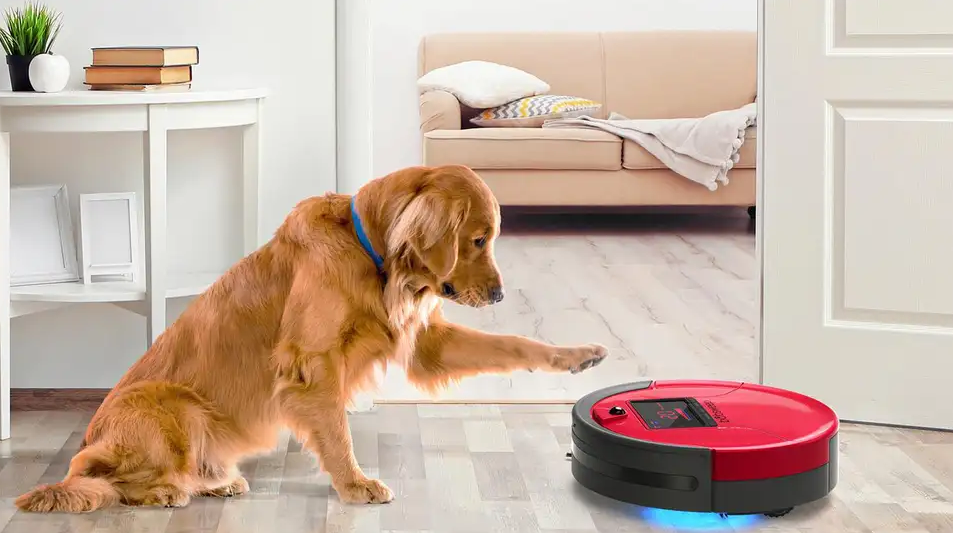
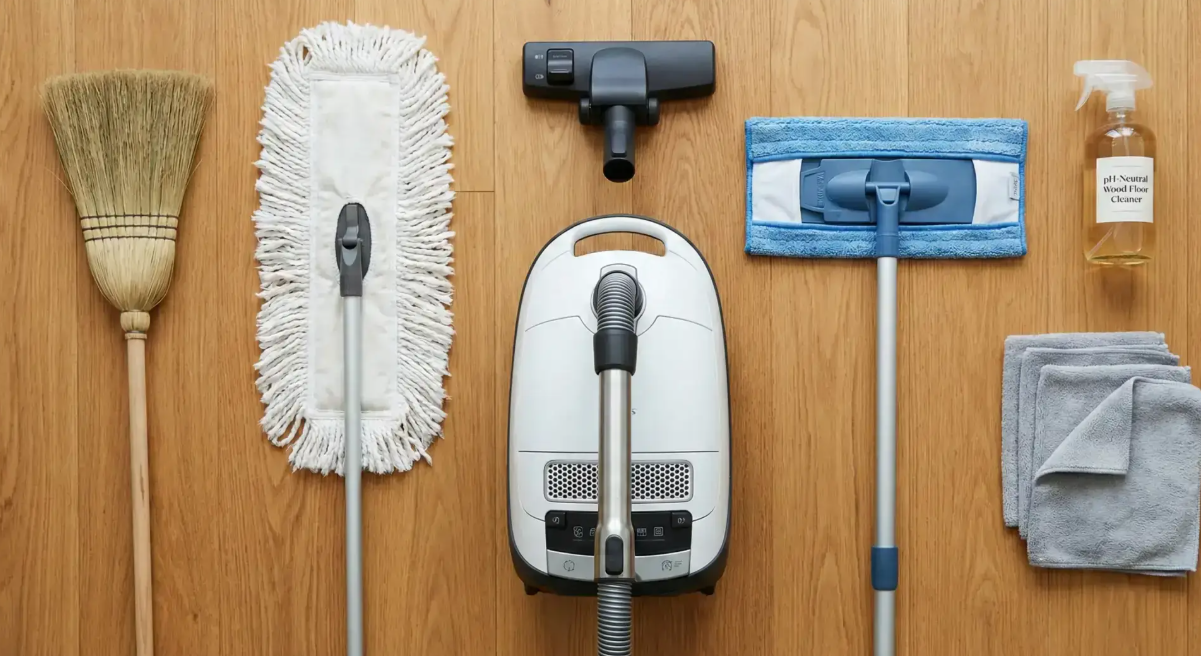
Vacuum frequently: Two to three times weekly with a HEPA-filter vacuum. Focus on areas where the dog spends most time. Carpet holds significantly more allergens than hard floors — if allergies are severe, transitioning primary living areas to hard flooring reduces exposure meaningfully.
HEPA air purifier: Reduces airborne allergens including dust mite particles, mold spores, and pollen. Most effective in the room where the dog sleeps.
Wipe paws after walks: A damp cloth wipe of all four paws and the belly after outdoor time removes pollen and environmental irritants before they enter the home.
Environmental vs. Food Allergies
Frequently Asked Questions
Can dogs develop allergies at any age?
Yes, though environmental allergies most commonly appear between ages one and three. Dogs can develop new allergies throughout life, including to substances they previously tolerated. A dog that suddenly starts scratching at age five may have developed a new sensitivity.
Do air purifiers help with dog allergies?
HEPA air purifiers meaningfully reduce airborne allergens in the room where they operate. They do not eliminate allergens embedded in carpet or bedding, which require washing and vacuuming. Used together, air purification and regular cleaning provide the best environmental allergy management.
More FurlyHome Pet Health Guides
- Why Is My Dog Shedding So Much Suddenly?
- How to Calm an Anxious Dog at Home
- Best Pet-Friendly Sofa Covers
- How to Read a Dog Food Label
Verdict
The most common home allergens for dogs are dust mites, mold, pollen tracked indoors, and cleaning product residues. Management is environmental: wash bedding weekly in hot water, vacuum frequently with a HEPA vacuum, run an air purifier in the dog’s sleeping area, and switch to fragrance-free cleaning products. If symptoms persist despite environmental management, veterinary allergy testing can identify specific triggers for targeted immunotherapy treatment.





Write Your Review
No reviews yet. Be the first to share your experience!