

The Short Answer: Vinegar Helps, But It’s Not Enough
White vinegar removes some components of dog urine odor but cannot eliminate the smell completely on its own. Vinegar’s acetic acid (typically 5 percent concentration in household vinegar) neutralizes the alkaline ammonia that forms as urine breaks down, which handles the sharp, acrid part of the smell. However, vinegar does not break down uric acid crystals, the primary compound responsible for odor that returns days, weeks, or months after cleaning. I learned this the hard way after treating one of Biscuit’s accidents on our living room carpet with a vinegar-water solution three separate times before accepting that the smell kept coming back because I was treating the symptom rather than the root cause.
What Vinegar Actually Does to Dog Urine
Dog urine contains three categories of odor-producing compounds, and vinegar interacts with each differently. Ammonia is produced when bacteria break down urea, the primary waste product in urine. Vinegar’s acetic acid reacts with ammonia (an alkaline compound) in a classic acid-base neutralization, converting it into ammonium acetate, which has significantly less odor. This is the reaction that makes vinegar seem effective in the first few hours after application. Bacterial colonies living in the urine deposit also produce foul-smelling byproducts. Vinegar’s low pH (around 2.4) does inhibit some bacterial growth temporarily, reducing the microbial component of the odor. However, vinegar is not a disinfectant, and surviving bacteria can repopulate within days. Uric acid crystals are completely unaffected by vinegar. Acetic acid lacks the molecular structure to cleave the purine ring of uric acid. Only biological enzymes, specifically urease and uricase, can break these crystals into non-odorous compounds. Our detailed comparison of enzymatic cleaners vs baking soda for pet odor covers the chemistry of each approach.
When Vinegar Is a Reasonable Choice
Vinegar works adequately in specific situations. If you’ve caught a fresh accident within minutes on a non-porous surface like tile, sealed concrete, or laminate, a vinegar-water solution (1:1 ratio) followed by thorough rinsing can handle the cleanup because uric acid hasn’t had time to crystallize and the urine hasn’t penetrated into the material. For washable items like dog bedding or blankets, adding one cup of white vinegar to the wash cycle helps neutralize ammonia residue that detergent alone might miss. On hard, sealed surfaces where urine can be completely wiped away, vinegar provides adequate odor control for immediate cleanup. But for any porous surface, including carpet, fabric upholstery, unsealed wood, or grout, vinegar is a temporary fix at best.
When Vinegar Fails (And Can Make Things Worse)
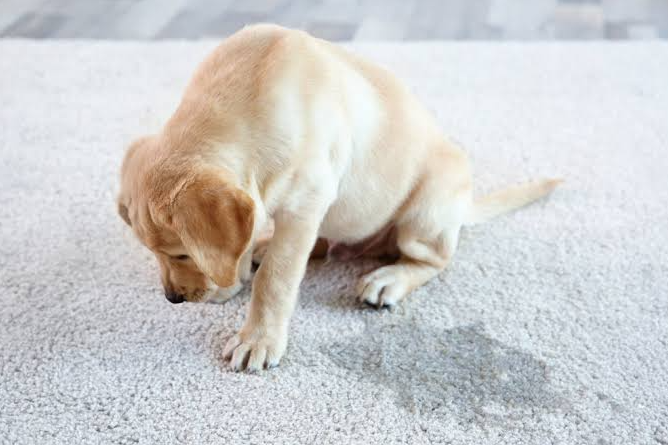
On carpet, vinegar addresses roughly 30 to 40 percent of the odor problem. The uric acid crystals embedded deep in carpet fibers and the carpet pad remain intact, ready to reactivate with humidity changes. Worse, the vinegar itself has a strong acetic acid smell that takes time to dissipate, potentially replacing one unpleasant odor with another for several hours. Some homeowners end up in a cycle of repeated vinegar applications that never fully resolve the issue.
On hardwood floors, vinegar can cause actual damage. Repeated use degrades polyurethane finishes, dulling the surface and weakening the protective barrier that prevents urine from reaching raw wood. A single careful application won’t destroy your floors, but habitual use as a urine cleaner will. If your dog has hardwood floor accidents, follow our specific protocol for cleaning dog pee off hardwood floors instead. On natural stone surfaces like marble or granite, vinegar etches the surface permanently because the acid reacts with calcium carbonate in the stone.
What to Use Instead (Or Alongside Vinegar)
Enzymatic cleaners are the only over-the-counter products that fully eliminate urine odor from porous surfaces. They contain live bacterial cultures that produce enzymes capable of breaking down all organic components of urine, including uric acid crystals. The bacteria need 10 to 24 hours of dwell time in a moist environment to complete the process. You can use vinegar as a first-pass treatment for fresh accidents, then follow with enzymatic cleaner for the deeper work. Just wait until the vinegar has dried and the area has been rinsed before applying the enzymatic product, because vinegar’s low pH can kill the beneficial bacteria in enzymatic formulas. For product recommendations, see our guide to the best enzymatic cleaners for dog urine.
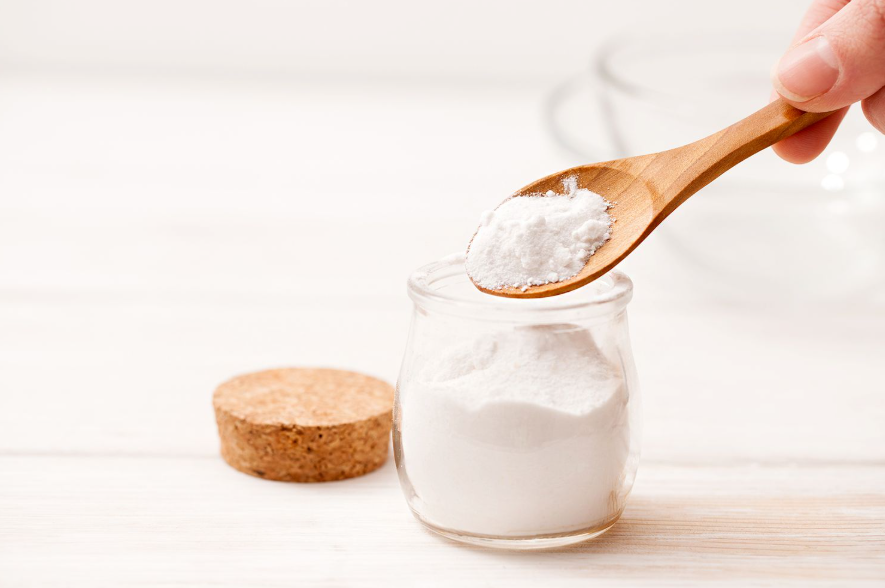
Baking soda is sometimes combined with vinegar in DIY cleaning recipes, but the combination is chemically counterproductive. When mixed, acetic acid and sodium bicarbonate neutralize each other, producing water, carbon dioxide gas (the fizzing), and sodium acetate. The resulting solution has a nearly neutral pH with minimal cleaning power. Baking soda works better as a standalone odor absorber sprinkled on a dry area after enzymatic treatment. Our guide to removing dog smell permanently covers the full multi-step approach for whole-house odor elimination.
The Decision Framework
Use vinegar if: The accident is fresh (under 15 minutes), the surface is non-porous, you need an immediate solution, or you’re pre-treating before machine washing. Skip vinegar and go straight to enzymatic cleaner if: The stain is dried, the surface is porous (carpet, fabric, wood), the smell has returned after previous cleaning, or you’re dealing with cat urine, which contains additional odor compounds that vinegar cannot address at all. Never use vinegar on: Hardwood floors as a regular habit, natural stone, or surfaces where it will contact enzymatic cleaner before drying. For ongoing odor management across your home, our best odor eliminators for pet owners guide covers products designed for daily maintenance.
Frequently Asked Questions
What ratio of vinegar to water should I use for dog urine?
A 1:1 ratio of white distilled vinegar to water is the standard dilution for dog urine cleanup. Using vinegar at full strength provides no meaningful benefit and increases the risk of surface damage on sensitive materials like hardwood or finished furniture. The 5 percent acetic acid concentration in standard household vinegar is sufficient to neutralize ammonia when diluted by half.
Can apple cider vinegar be used instead of white vinegar?
White distilled vinegar is preferred over apple cider vinegar for urine cleanup. Apple cider vinegar contains sugars and organic compounds that can leave a residue on surfaces and potentially feed bacteria, counteracting the mild antibacterial effect you’re trying to achieve. White vinegar also has a more consistent acetic acid concentration and leaves less residue after drying.
How long should vinegar sit on a urine stain before wiping?
Let vinegar solution sit for 5 to 10 minutes on non-porous surfaces, which gives the acetic acid enough time to neutralize ammonia. On porous surfaces, 10 to 15 minutes maximum, then blot thoroughly. Leaving vinegar longer than 15 minutes on hardwood or stone increases the risk of finish damage. After blotting, rinse the area with plain water and dry completely.



Write Your Review
No reviews yet. Be the first to share your experience!