

What Pet Dander Actually Is (And Why It’s Everywhere)
Pet dander consists of microscopic flakes of dead skin cells shed by dogs, cats, rodents, birds, and other animals with fur or feathers. Individual dander particles range from 2.5 to 10 micrometers in diameter, small enough to remain airborne for hours and penetrate deep into respiratory passages. For context, a human hair is about 70 micrometers wide, making dander particles roughly 7 to 28 times smaller. The allergenic proteins in dander (Can f 1 in dogs, Fel d 1 in cats) bind to the skin cells and become airborne when disturbed by movement, vacuuming, or air currents. These proteins are the actual allergen, not the skin cells themselves. A single cat produces enough Fel d 1 protein daily to sensitize an allergic person within weeks. Our guide on what causes dog allergies in the home covers the full science of pet allergens.
Step 1: Remove Dander Reservoirs
Start With Soft Furnishings
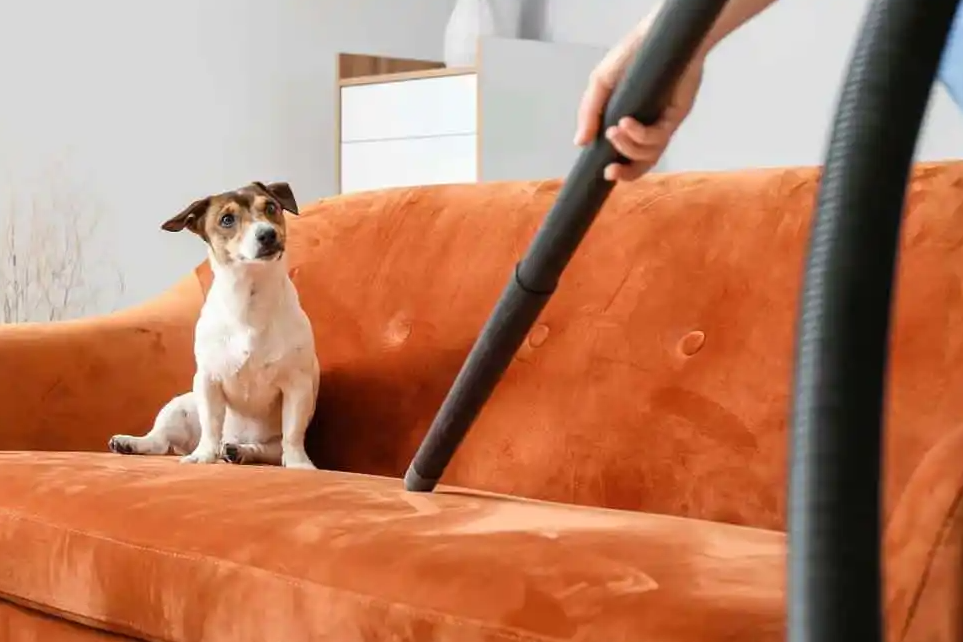
Upholstered furniture, carpets, curtains, and bedding are the primary dander reservoirs in any home. Dander particles settle into fabric fibers and accumulate over time, releasing back into the air with every use. Wash all washable fabrics (curtains, throw pillow covers, blankets, pet bedding) in hot water (at least 130 degrees Fahrenheit) to denature allergenic proteins. For upholstery that can’t be removed for washing, use a HEPA-filtered vacuum with an upholstery attachment weekly. Consider replacing heavy drapes with blinds or washable curtain panels, which are dramatically easier to keep dander-free.
Deep Clean Carpet or Consider Removing It
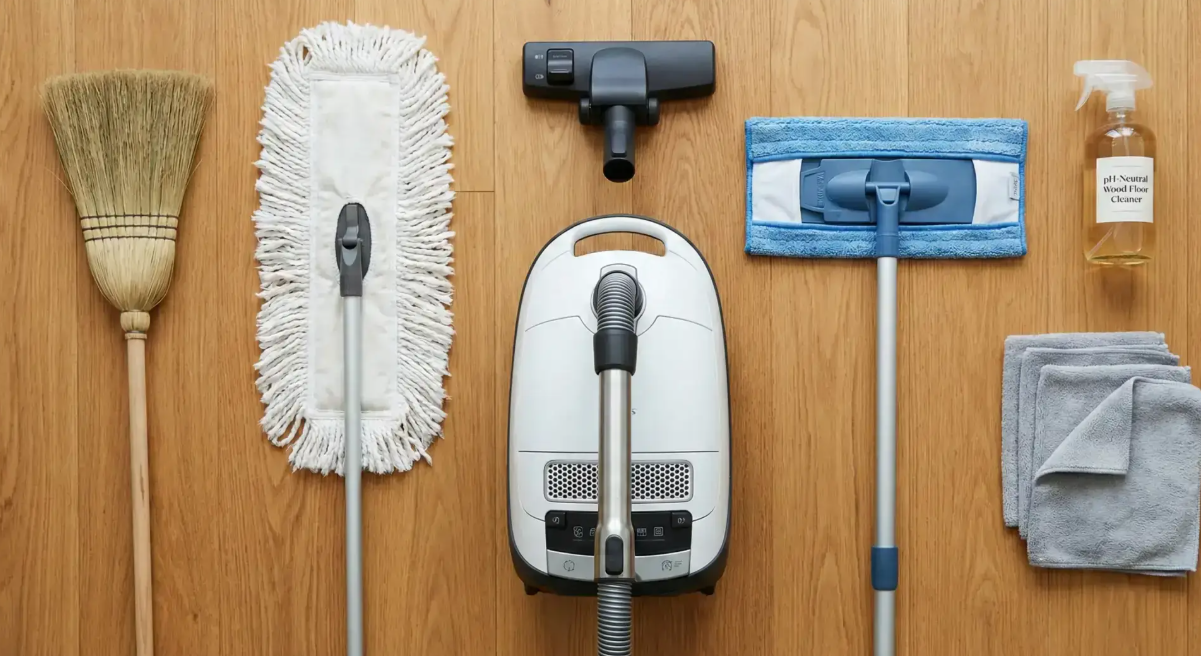
Carpet holds 10 to 100 times more dander than hard flooring surfaces. If you have severe pet allergies and wall-to-wall carpet, removing the carpet and replacing it with hard flooring (hardwood, tile, LVP) is the single most impactful change you can make. If removing carpet isn’t an option, vacuum with a HEPA-sealed vacuum at least twice weekly and have carpet professionally cleaned with hot water extraction every 3 to 6 months. HEPA-sealed means the entire vacuum, not just the filter, is sealed to prevent exhaust air from blowing dander particles back into the room.
Step 2: Filter the Air
HVAC Filtration
Replace HVAC filters with MERV 11 or higher rated filters, which capture particles as small as 1 micrometer, well within the dander particle range. Standard MERV 8 filters found in most homes capture dust and pollen but allow most dander particles to pass through. Change MERV 11+ filters every 60 days in pet households rather than the standard 90-day interval, as pet hair and dander clog filters faster. Ensure your HVAC system is rated for the static pressure of higher MERV filters; some older systems struggle with MERV 13+ and may need a filter back rack or professional assessment.
Portable Air Purifiers
Place a HEPA air purifier in the room where you spend the most time and in the bedroom if your pet has access. True HEPA filters capture 99.97 percent of particles 0.3 micrometers and larger, which includes all pet dander. Size the purifier to the room: check the Clean Air Delivery Rate (CADR) rating and match it to your room’s square footage. A purifier rated for 200 square feet running in a 400-square-foot room will only partially clean the air. Run the purifier continuously on a low setting rather than intermittently on high, as continuous operation maintains cleaner baseline air quality. For product recommendations, our guide to the best air purifiers for pet hair and dander covers models tested specifically for pet allergen reduction.

Step 3: Groom Your Pet Strategically
Regular grooming reduces the amount of dander your pet releases into your home. Brush your dog outside (not inside) at least 3 times per week. Outdoor brushing disperses dander into open air rather than concentrating it indoors. Use a de-shedding tool like a Furminator for double-coated breeds, which removes loose undercoat hair along with attached dander before it sheds naturally. Bathe your dog every 2 to 4 weeks using a moisturizing, hypoallergenic shampoo. Bathing removes accumulated dander from the coat, but over-bathing (more frequently than every 2 weeks) strips natural oils and causes the skin to flake more aggressively, increasing dander production. For cats, weekly wiping with a damp microfiber cloth can reduce surface dander without the stress of a full bath.
Step 4: Create a Dander-Free Zone
Designate at least one room in your home, ideally the bedroom, as a pet-free zone. Keep the door closed, run a HEPA purifier continuously, and use allergen-proof encasements on pillows and mattresses. Studies published in the Journal of Allergy and Clinical Immunology show that maintaining a pet-free bedroom significantly reduces nighttime allergen exposure and improves sleep quality for allergic individuals, even when the pet has free access to the rest of the house. Wash bedroom bedding in hot water weekly regardless of whether the pet enters the room, as dander transfers on clothing and settles from air currents.
Step 5: Maintain a Consistent Schedule
Dander reduction is not a one-time deep clean. It requires ongoing maintenance to keep levels below the threshold that triggers symptoms. A practical weekly schedule: vacuum all hard and soft surfaces twice weekly with a HEPA-sealed vacuum, dust hard surfaces with a damp (not dry) cloth once weekly (dry dusting sends dander airborne), wash pet bedding weekly in hot water, brush your pet outdoors three times weekly, and run air purifiers continuously in occupied rooms. For the best vacuum options, our guide on best robot vacuums for pet hair covers automated options that maintain baseline cleanliness between manual sessions. Replace HVAC filters every 60 days and schedule professional carpet cleaning every 3 to 6 months if you have carpet.
What Doesn’t Work
Air fresheners and scented sprays mask dander-related mustiness without removing any particles. Many contain volatile organic compounds that can worsen respiratory symptoms. Ionizers charge airborne particles to make them settle on surfaces, which removes them from the air but deposits them on every horizontal surface in the room. This can actually increase direct contact exposure. “Hypoallergenic” breeds still produce dander and allergenic proteins. No dog or cat breed produces zero dander. Some breeds produce less, but the difference is often insufficient for severely allergic individuals. Dander sprays applied to the pet temporarily coat the fur and reduce airborne dander for a few hours but require frequent reapplication and don’t address dander already deposited on surfaces.
Frequently Asked Questions
How long does pet dander stay in a house after a pet is removed?
Pet dander can persist in a house for 4 to 6 months after the pet is removed, even with regular cleaning. Dander embeds in carpet fibers, upholstery, ductwork, and wall surfaces at levels that remain detectable by sensitive individuals long after the pet is gone. A thorough deep clean including professional carpet cleaning, duct cleaning, and wall washing can reduce this timeline to 2 to 3 months.
Does pet dander cause asthma?
Pet dander is a recognized asthma trigger, not a cause. It can provoke asthma attacks in individuals with existing asthma sensitivity to pet allergens, and prolonged exposure can worsen asthma severity over time. The Asthma and Allergy Foundation of America estimates that 3 in 10 people with allergies are specifically sensitive to cat or dog allergens. Airborne dander particles are small enough to penetrate deep into the lungs, where they trigger inflammatory responses.
Do air purifiers really help with pet dander?
HEPA air purifiers measurably reduce airborne pet dander concentrations in the rooms where they operate. Studies show 50 to 70 percent reduction in airborne allergen levels in rooms with properly sized HEPA purifiers running continuously. However, air purifiers only address airborne particles. Dander settled on surfaces must be physically removed through vacuuming and wiping. The combination of HEPA air purification and regular surface cleaning provides the most significant allergen reduction.





Write Your Review
No reviews yet. Be the first to share your experience!