

Act Fast: The First 5 Minutes Determine the Outcome
Dog vomit contains stomach acid with a pH of 1 to 2, bile pigments that produce yellow-green staining, partially digested food particles, and enzymes that continue breaking down organic material after leaving the stomach. On carpet, stomach acid begins degrading carpet dye within 15 to 30 minutes, and bile pigments bond with synthetic carpet fibers through a process that becomes increasingly difficult to reverse as the stain sets. Biscuit once had an episode after eating grass clippings, and the yellow bile stain on our beige carpet was visible for months because I made the mistake of scrubbing rather than blotting. The method below prevents both permanent staining and the sour odor that develops when vomit residue is left in carpet fibers.
Step-by-Step: Fresh Vomit (Still Wet)
Step 1: Remove Solid Matter
Use a dustpan, stiff cardboard, or a wide spatula to scoop up as much solid material as possible in one motion. Scrape from the outside edges toward the center to avoid spreading the mess into clean carpet. Dispose of the solids immediately. Do not use paper towels for this step, as pressing down on solids pushes liquid deeper into the carpet fibers and pad. If the vomit is mostly liquid, skip to step 2.
Step 2: Blot the Remaining Liquid
Press clean white cloths or paper towels firmly onto the wet area. White is important because dyed cloths can transfer color to the carpet, compounding the staining problem. Blot from the outside edges inward to contain the affected area. Replace towels frequently and repeat until minimal moisture transfers. Do not rub, scrub, or apply circular motion, as this works vomit deeper into the carpet pile and can damage fiber structure.
Step 3: Apply Cleaning Solution
Mix one tablespoon of dish soap (non-bleach, clear formula) with two cups of warm water. Apply to the stain using a spray bottle or by dabbing with a cloth. Work from the outside edges inward. Let the solution sit for 3 to 5 minutes, then blot with clean towels. Repeat this application and blotting process 2 to 3 times until the towels come away clean. Follow with plain warm water applied and blotted to remove soap residue, which otherwise attracts dirt and makes the area look dirty within days.
Step 4: Treat the Odor
After surface cleaning, apply enzymatic cleaner to the entire affected area. Vomit contains proteins and stomach acids that standard cleaners don’t fully break down, and these residues produce a sour smell as they decompose. The enzymatic cleaner’s bacterial cultures digest these proteins completely. Apply enough to saturate through the carpet pile, cover with a damp cloth, and leave for 8 to 12 hours. For the most effective products, see our guide to the best enzymatic cleaners, which work equally well on vomit and urine.
Step 5: Address Bile Staining
If a yellow or green discoloration remains after cleaning, bile pigments have bonded with carpet fibers. Mix one tablespoon of ammonia (non-sudsy, clear household ammonia) with one cup of warm water and apply to the stain. Blot after 5 minutes. Test this in an inconspicuous area first, as ammonia can affect some carpet dyes. For stubborn bile stains on light-colored carpet, a 3 percent hydrogen peroxide solution applied for 15 minutes can bleach out the discoloration, but this should only be used on white or very light carpet, as it will lighten colored fibers. For recurring issues, our guide to the best carpet cleaner machines for pet stains covers equipment that handles deep extraction.
Step-by-Step: Dried Vomit (Already Set)
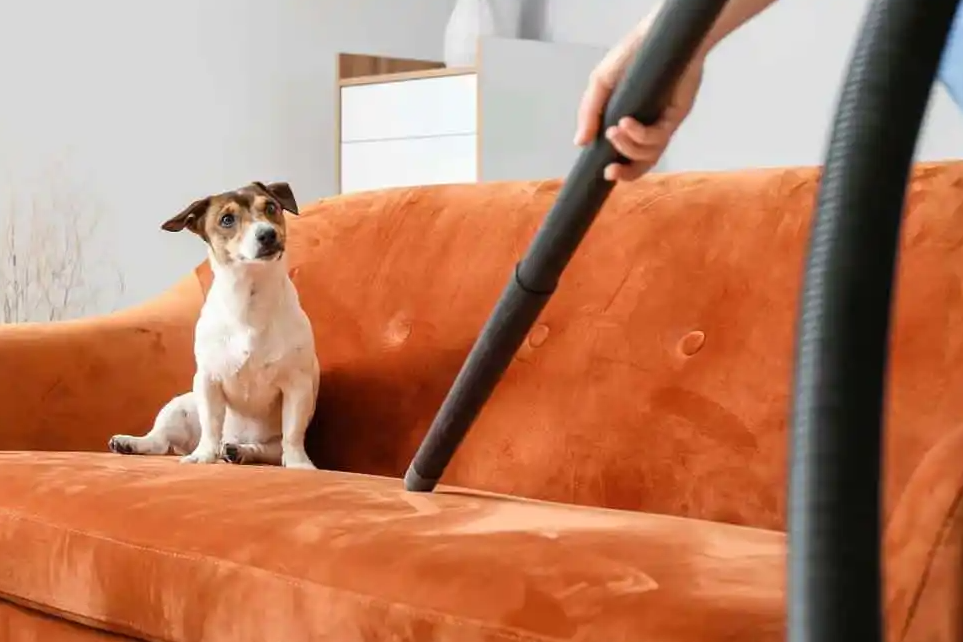
If you discover dried vomit, the approach changes slightly. First, scrape off as much dried material as possible using a dull knife or the edge of a spoon. Vacuum the loosened particles with a hose attachment (not a rotating brush, which can grind residue deeper into the fibers). Then rehydrate the stain by placing a damp warm towel over the area for 15 to 20 minutes. This softens the remaining residue and allows cleaning solutions to reach it. Proceed with steps 3 through 5 above. Dried vomit stains typically require 2 to 3 rounds of cleaning solution application compared to 1 to 2 for fresh stains.
What Not to Do
Do not use hot water initially. Heat can set protein stains permanently, similar to how cooking an egg makes it solidify. Use warm (not hot) water for initial cleaning. Hot water is fine for subsequent cleaning rounds after the bulk of the protein has been removed. Do not use bleach on carpet. Even “color-safe” bleach can cause uneven lightening. Do not apply baking soda to wet vomit. While baking soda absorbs odor from dry surfaces, applying it to wet vomit creates a paste that’s harder to remove than the original mess and pushes liquid deeper into the carpet pad. Do not steam clean before treating the stain. Steam heat can set the protein-based stain permanently.
When to Call a Professional
Consider professional carpet cleaning if the vomit was from a dog with a stomach illness lasting multiple days (repeated soiling in the same area), if the carpet pad has been saturated (you can feel dampness when pressing firmly on the area after surface cleaning), or if bile staining persists after three rounds of home treatment. Professional hot water extraction equipment reaches the carpet pad and subfloor in ways that consumer-grade machines cannot. Mention that the stain is biological when booking, as some companies use different solutions for organic stains versus standard dirt cleaning.
Preventing Stains From Repeat Offenders
If your dog vomits frequently in the same location (many dogs return to the same spot), place a washable rug or protective mat over that area. Dogs often vomit on soft surfaces because the texture provides traction while they’re heaving, so providing a designated washable surface can actually redirect accidents to an easier-to-clean area. If your dog regularly vomits bile (yellow foam, usually in the early morning on an empty stomach), this is worth discussing with your veterinarian, as it often indicates that the gap between dinner and breakfast is too long and can be resolved by adjusting feeding times.
Frequently Asked Questions
Why does dog vomit stain carpet yellow?
The yellow color comes from bile, a digestive fluid produced by the liver and stored in the gallbladder. Bile contains bilirubin and biliverdin, pigments that bind strongly to synthetic carpet fibers. The staining is chemical rather than simply a surface deposit, which is why water alone cannot remove it. Prompt cleaning before the pigments bond to fibers is the most effective prevention.
Can I use a carpet cleaner machine on vomit stains?
Yes, but only after removing solids and doing an initial hand cleaning with dish soap solution. Using a carpet cleaner machine on unscrubbed vomit can spread the stain and push contaminants deeper into the pad. After hand cleaning and enzymatic treatment, a carpet cleaner machine is excellent for final extraction and rinsing. Use cool or warm water in the machine, not hot.
How do I get the sour vomit smell out of carpet?
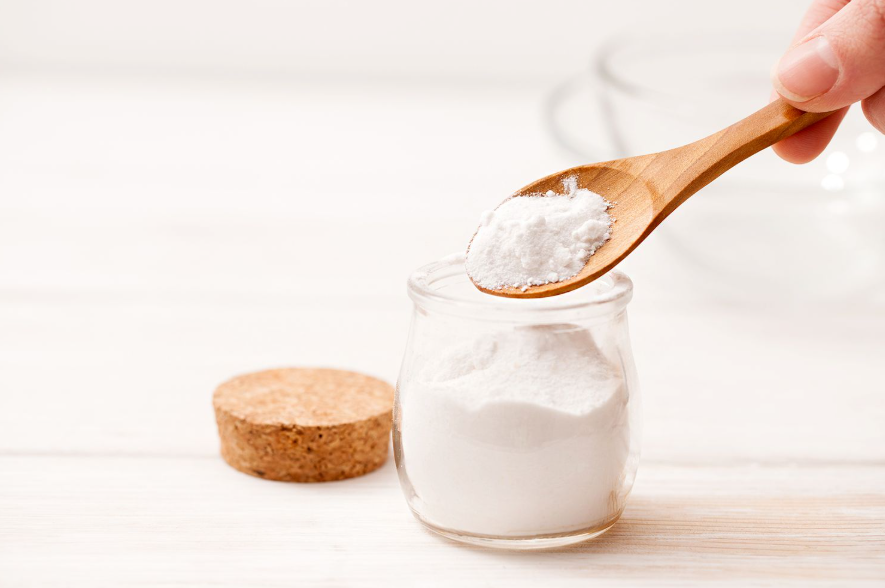
Sour vomit smell persists because protein residue is still decomposing in the carpet fibers or pad. Enzymatic cleaner applied with adequate dwell time (8 to 12 hours) breaks down these proteins completely. After enzymatic treatment, sprinkle baking soda over the dry area and leave for 12 to 24 hours to absorb residual odor molecules, then vacuum thoroughly. If the smell persists after enzymatic treatment, the carpet pad may be saturated and requires professional extraction or replacement.



Write Your Review
No reviews yet. Be the first to share your experience!