

How to Help a Dog with Joint Pain at Home
Joint pain management at home centers on four pillars: weight management, appropriate exercise, joint supplements, and home environment modifications. These interventions do not cure arthritis or joint degeneration, but they meaningfully reduce pain, improve mobility, and slow progression. Most veterinary pain management protocols combine these home measures with pharmaceutical support for moderate to severe cases.
1. Maintain Healthy Weight
Weight management is the single highest-impact intervention for joint pain. Every extra pound a dog carries creates approximately four additional pounds of force on each joint with every step. A dog that loses even 6 to 8% of excess body weight shows measurable improvement in mobility and pain scores in clinical studies. See how to tell if your dog is overweight.
2. Low-Impact Exercise
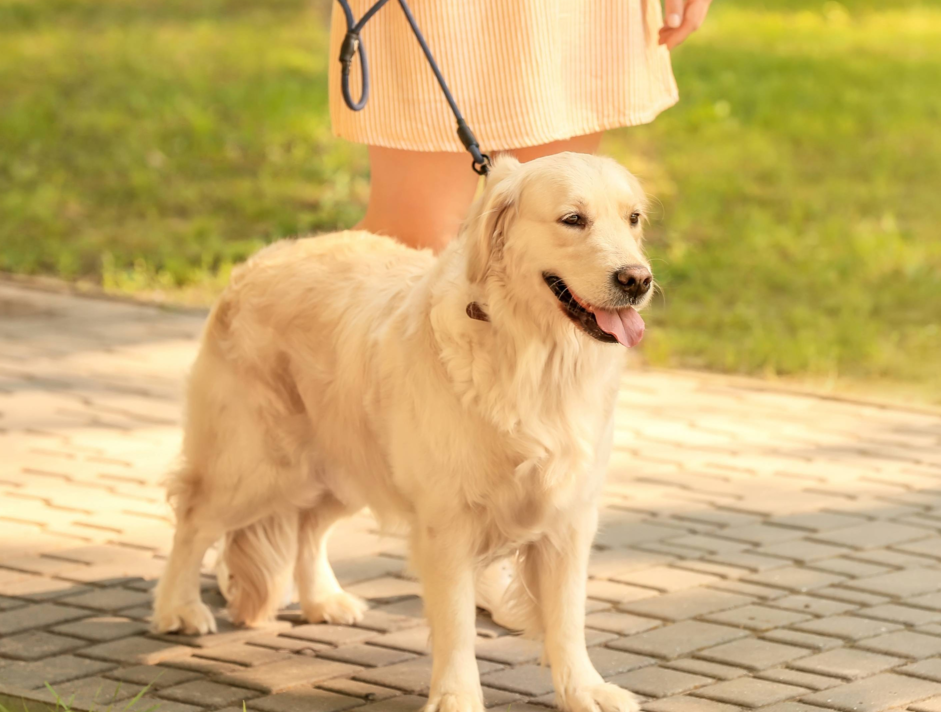
Rest is not the answer — complete inactivity causes joints to stiffen further and muscles supporting the joints to atrophy. The goal is consistent, low-impact movement: leash walks on flat surfaces (15-30 minutes, twice daily), swimming (the best exercise for arthritic dogs — zero joint impact with full muscle engagement), and gentle play without jumping or sudden direction changes. Avoid high-impact activities: ball chasing on hard surfaces, jumping on/off furniture, and stair sprints.
3. Joint Supplements
Glucosamine + chondroitin: The most widely recommended joint supplement combination. Supports cartilage repair and reduces inflammatory enzymes in joint fluid. Benefits typically appear after 4 to 8 weeks of consistent supplementation. See best glucosamine supplement for senior dogs for reviewed options.
Omega-3 fish oil: EPA and DHA have documented anti-inflammatory effects on joint tissue. Supplementing at 75-100mg EPA+DHA per 10 lbs of body weight provides therapeutic support. See can I give my dog human fish oil capsules for dosage guidance.
4. Home Modifications
Orthopedic dog bed: Memory foam or egg-crate beds distribute weight evenly and reduce pressure on sore joints. Essential for dogs that sleep on hard floors. Heated beds provide additional relief in cold weather.
Ramps: Replace jumping with ramped access to beds, sofas, and vehicles. Jumping creates impact forces that aggravate arthritic joints.
Non-slip flooring: Arthritic dogs lose confidence on slippery floors because their joints cannot stabilize as effectively. Yoga mats, rubber-backed rugs, or carpet runners on main pathways provide traction. See best washable rugs for dog owners.
Elevated food and water bowls: Raising bowls to shoulder height reduces neck strain during eating and drinking for dogs with cervical arthritis.
Frequently Asked Questions
Can I give my dog human glucosamine?
Yes — human glucosamine sulfate is chemically identical to pet-specific formulations. Ensure the product does not contain xylitol or high-dose added ingredients. Dosage: approximately 20mg per pound of body weight per day for glucosamine, typically combined with chondroitin.
Does massage help dogs with joint pain?
Gentle massage around (not directly on) arthritic joints improves circulation, reduces muscle tension that compensates for joint weakness, and provides comfort. Professional canine massage therapists can teach techniques appropriate for your dog’s specific condition.
More FurlyHome Guides
- Best Glucosamine for Senior Dogs
- Can I Give My Dog Human Fish Oil?
- How to Tell If Dog Is in Pain
- Best Dog Bed for Golden Retriever
Verdict
At-home joint pain management combines weight control (the single highest-impact factor), low-impact exercise (especially swimming), glucosamine/chondroitin and fish oil supplementation, and home modifications like orthopedic beds, ramps, and non-slip surfaces. These measures meaningfully reduce pain and improve quality of life for arthritic dogs. For moderate to severe joint pain, combine these home measures with veterinary-prescribed pain management for the best outcomes.




Write Your Review
No reviews yet. Be the first to share your experience!