

Is Pet Insurance Worth It for Indoor Cats?
For most indoor cat owners, pet insurance is a reasonable financial hedge rather than a clear-cut necessity. Indoor cats avoid many outdoor risks — cars, predators, fights, and certain parasites — but they are fully susceptible to cancer, kidney disease, diabetes, hyperthyroidism, dental disease, and urinary blockages, all of which can cost $2,000 to $10,000+ to treat. If paying those costs out of pocket would cause financial strain, insurance makes sense. If you have comfortable savings to self-insure, the math is less compelling.
What Indoor Cats Actually Get Sick From
Chronic kidney disease: The leading cause of death in cats over 10 years old. Management involves ongoing bloodwork, fluid therapy, and specialized diet — costs accumulate over months to years, often totaling $3,000 to $8,000 over the course of the disease.
Diabetes: Feline diabetes requires daily insulin injections, regular bloodwork, and dietary management. Annual management costs typically run $1,000 to $3,000.
Cancer: Lymphoma is the most common cancer in cats. Treatment (chemotherapy, surgery, or palliative care) ranges from $3,000 to $10,000+.
Dental disease: Extremely common in cats. A dental cleaning under anesthesia costs $400 to $1,200, and tooth extractions add $500 to $2,000.
Urinary blockage (male cats): A genuine emergency costing $2,000 to $5,000+ for treatment. More common in indoor male cats due to lower water intake and sedentary lifestyle. See why your cat may not be drinking enough water.
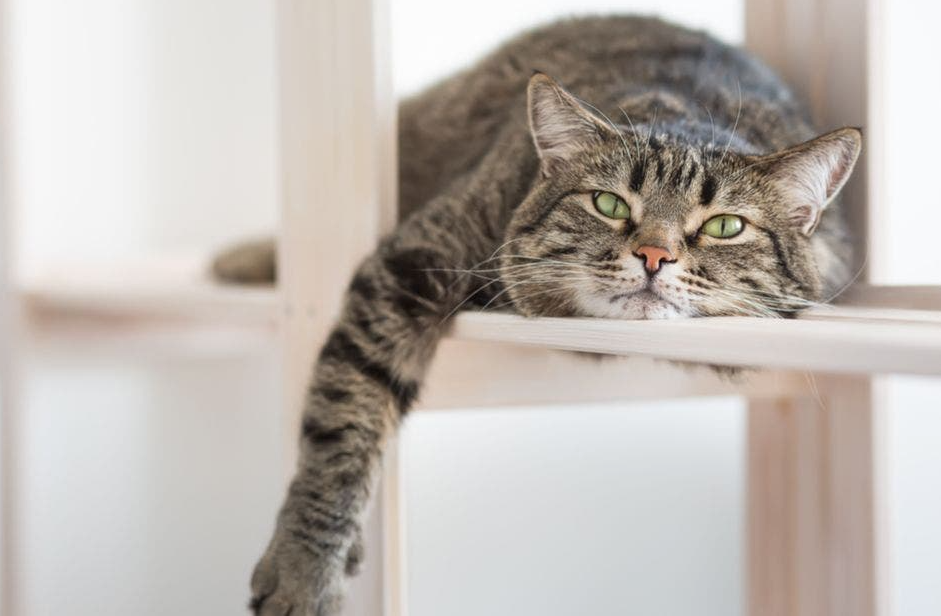
Cost of Cat Insurance
Cat insurance is significantly cheaper than dog insurance — averaging $20 to $40 per month for accident-and-illness coverage. Indoor cats may qualify for slightly lower rates than outdoor cats with some insurers. Over a cat’s average 15-year lifespan, total premium payments at $30/month equal roughly $5,400. A single cancer treatment or kidney disease management course can exceed that amount.
When Insurance Makes Sense
Insurance makes financial sense if: you would struggle to pay a $3,000 to $5,000 emergency vet bill on short notice; your cat is a purebred with breed-specific health risks (e.g., Persian kidney disease, Maine Coon heart disease); or you want predictable monthly costs rather than unpredictable large bills. For more on dog insurance costs for comparison, see how much does dog insurance cost per month.
When Self-Insuring May Be Better
Self-insuring works if you have $5,000+ in accessible savings earmarked for pet emergencies. Setting aside $30 per month in a dedicated savings account builds a fund that, unlike insurance, does not disappear if unused. Over 15 years that fund grows to $5,400 plus interest. The risk: a major expense early in the cat’s life — before the fund has accumulated sufficiently.
Frequently Asked Questions
Do indoor cats need insurance less than outdoor cats?
Indoor cats face fewer accident and trauma risks than outdoor cats, but they are equally susceptible to the most expensive conditions: cancer, kidney disease, diabetes, and dental disease. The risk profile is narrower but the financial exposure from chronic illness is comparable.
At what age should I insure my cat?
As early as possible. Enrolling while the cat is young and healthy avoids pre-existing condition exclusions and locks in lower premiums. Most costly chronic conditions develop after age 7, so insuring before that age means those conditions will be covered.
More FurlyHome Pet Health Guides
- How Much Does Dog Insurance Cost Per Month?
- Why Is My Cat Not Drinking Water?
- When Should I Take My Dog to the Vet?
- How Much Do Maine Coon Cats Weigh?
Verdict
Pet insurance for indoor cats is worth it primarily as protection against chronic diseases and emergencies that generate $3,000+ vet bills. At $20 to $40 per month, cat insurance is affordable relative to the potential costs of kidney disease, cancer, or urinary emergencies. If you have strong savings and prefer to self-insure, a dedicated pet emergency fund is a viable alternative. The worst position is no insurance and no savings — a preventable financial crisis waiting to happen.










Write Your Review
No reviews yet. Be the first to share your experience!