

How to Check Your Dog for Ticks After a Walk
Tick checks should happen within 30 minutes of returning from outdoor activity, particularly after walks in wooded areas, tall grass, or leaf litter. Most tick-borne diseases — including Lyme disease, ehrlichiosis, and anaplasmosis — require 24 to 48 hours of attachment before transmission occurs, so finding and removing ticks promptly prevents most infections. A thorough check takes three to five minutes once you know the technique.
Step 1: Start at the Head
Run your fingers slowly over the entire head. Check inside and behind both ears — the warm, thin-skinned ear area is one of the most common tick attachment sites. Check under the chin and around the eyes. Ticks feel like small firm bumps (2-5mm) that are not part of the normal skin surface. On long-coated dogs, part the fur with your fingers to check the skin directly.
Step 2: Check the Neck and Collar Area
Remove the collar and run your fingers along the entire neck, including under where the collar sits. The collar area is warm and protected — ticks frequently attach there. Check the front of the chest where the neck meets the body.
Step 3: Armpits and Front Legs
Lift each front leg and check the armpit area thoroughly. The armpits are warm, thin-skinned, and often dark — ideal conditions for ticks. Run your fingers down each leg to the paw, checking between the toes and around the paw pads. Ticks between toes are easily missed and can cause lameness as they engorge.
Step 4: Back, Sides, and Belly
Run both hands along the entire back and sides, pressing lightly against the skin through the fur. Roll the dog over or have them stand and check the entire belly, which is thin-skinned and vulnerable. Pay particular attention to the area around the groin and inner thighs — another high-attachment zone due to warmth and proximity to the ground.
Step 5: Tail Base and Hind Legs
Check the base of the tail on the top and underside. Run fingers down each hind leg, checking the back of the knee joint (stifle), between hind toes, and around the hock. Ticks often attach at joint folds where the skin creases.
Step 6: Check the Anal and Genital Area
This area is commonly skipped because it is uncomfortable to check, but ticks attach here because it is warm, moist, and sheltered. Check around the anus and the genital area. Engorged ticks in this region can be mistaken for skin tags — if in doubt, do not pull without identifying the bump first.
How to Remove a Tick Safely
Use fine-tipped tweezers or a tick removal tool. Grasp the tick as close to the skin surface as possible. Pull upward with steady, even pressure — do not twist, jerk, or squeeze the tick body. Twisting can break off the mouthparts and leave them embedded. After removal, clean the bite area with rubbing alcohol or soap and water. Monitor the site for redness or swelling over the following two weeks.
Do not use nail polish, petroleum jelly, heat from a match, or other home remedies to “make the tick back out.” These methods are ineffective and can cause the tick to release saliva into the wound, increasing infection risk.
When to See a Vet After a Tick Bite
Most tick bites do not result in disease transmission, particularly if the tick is removed within 24 hours. Contact your vet if: the tick was engorged (indicating prolonged attachment); you notice a bullseye rash around the bite site; the dog develops lethargy, loss of appetite, fever, joint stiffness, or swollen lymph nodes in the weeks following a tick bite; or you were unable to remove the tick completely.
For broader guidance on veterinary timing, see when should I take my dog to the vet. For ongoing parasite prevention, see how long does a dog flea treatment last.
Frequently Asked Questions
How long after a walk should I check for ticks?
Within 30 minutes of returning home is ideal. Ticks do not attach immediately after landing on a dog — they often crawl for one to two hours seeking an ideal attachment site, giving you a window to find and remove them before they bite.
Can ticks be felt through thick fur?
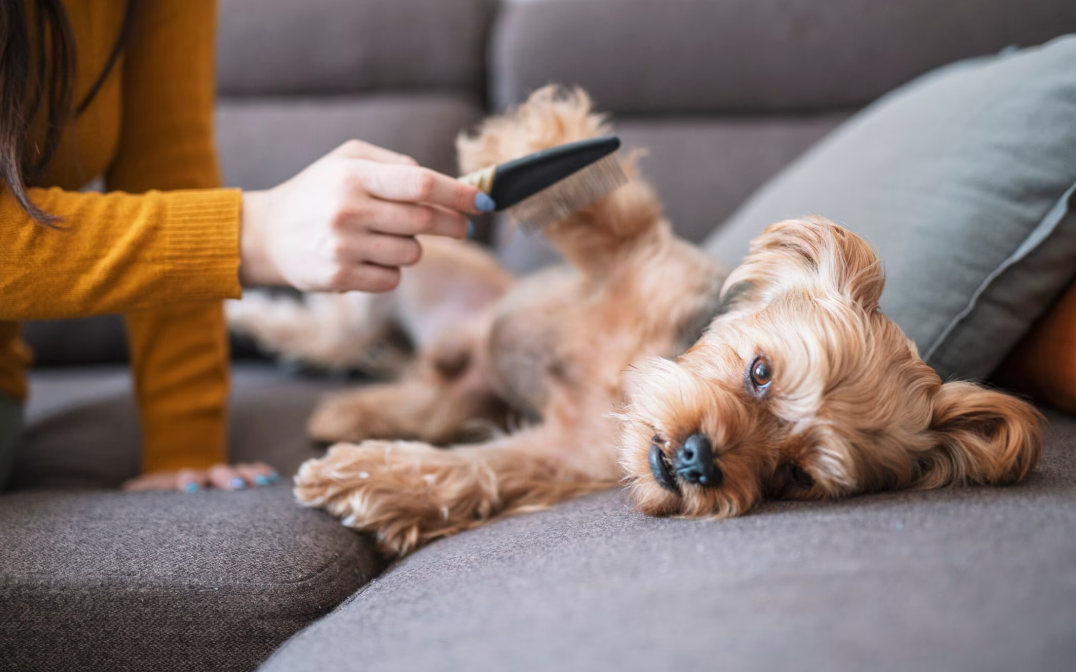
Unengorged ticks are very small (2-3mm) and can be difficult to feel through dense coats. Part the fur and check skin directly in high-risk areas. A tick comb — a fine-toothed metal comb — helps catch small ticks in heavy coats.
More FurlyHome Pet Health Guides
- What Are Signs of Fleas on Dogs at Home?
- How Long Does a Dog Flea Treatment Last?
- When Should I Take My Dog to the Vet?
- How to Tell If Your Dog Is in Pain
Verdict
A systematic head-to-tail tick check after every outdoor walk takes three to five minutes and prevents most tick-borne disease transmission. Focus on ears, armpits, groin, between toes, and under the collar — the warm, thin-skinned areas where ticks prefer to attach. Remove ticks with fine-tipped tweezers using steady upward pressure, and monitor the bite site for two weeks. Year-round tick prevention remains the best defense alongside regular checks.










Write Your Review
No reviews yet. Be the first to share your experience!