

Maple refused to use a litter box that had been used even once since the last cleaning. Manual scooping three times a day was the alternative. That’s the context that led to testing self-cleaning options — not convenience, but a cat with non-negotiable hygiene standards.
How Self-Cleaning Mechanisms Actually Work
Self-cleaning litter boxes use one of three mechanisms: a rotating drum that separates clumps from clean litter (Litter-Robot), a rake that sweeps clumps into a sealed compartment (most mid-range options), or a conveyor belt that moves waste to a collection drawer (PetKit Pura). None eliminate litter maintenance entirely — you still empty the waste compartment every 3–7 days depending on number of cats.
“Self-cleaning” means the box cleans itself between cat uses — not that you never handle waste. The automation removes the daily scooping task; the weekly emptying remains.
What Each Side Actually Gets Right
Self-cleaning advantages: Daily scooping eliminated. Odor control significantly better because waste is sealed immediately rather than sitting in open litter. Picky cats that refuse dirty boxes use it consistently. App monitoring on some models shows usage frequency, which can flag health changes. Sealed waste compartment means less airborne litter dust.
Self-cleaning disadvantages: $400–$700 upfront cost. Motor noise startles some cats — skittish cats may abandon the box entirely. Requires compatible clumping litter with specific particle size. Mechanism failure means no backup without a spare manual box. Some cats never accept the motion or sound regardless of transition time.
Regular litter box advantages: $15–$50 total cost. No noise, no moving parts to fail. Works with any litter type including non-clumping, pellet, crystal, or wood fiber. No app required, no power needed. Silent — zero cat adjustment period.
Regular litter box disadvantages: Manual scooping 1–2x daily minimum for odor control. Odor builds between scoops. Picky cats like Maple avoid an uncleaned box. Time cost across a year of twice-daily scooping is substantial.
The Value Calculation
A Litter-Robot 4 costs approximately $699. If you value your time at $15/hour and scoop twice daily at 5 minutes per scoop, that’s 60.8 hours per year and roughly $912 in time cost annually. The self-cleaning box pays for itself in under 9 months on time alone, assuming no repairs.
The calculation changes if the cat rejects the box. If your cat refuses after a full 3-week transition attempt, the $699 machine provides zero value — the time cost of manual scooping continues and you’ve added a $699 loss. This is why return policies matter more for this product than almost any other pet tech purchase.
Litter Compatibility — The Critical Detail
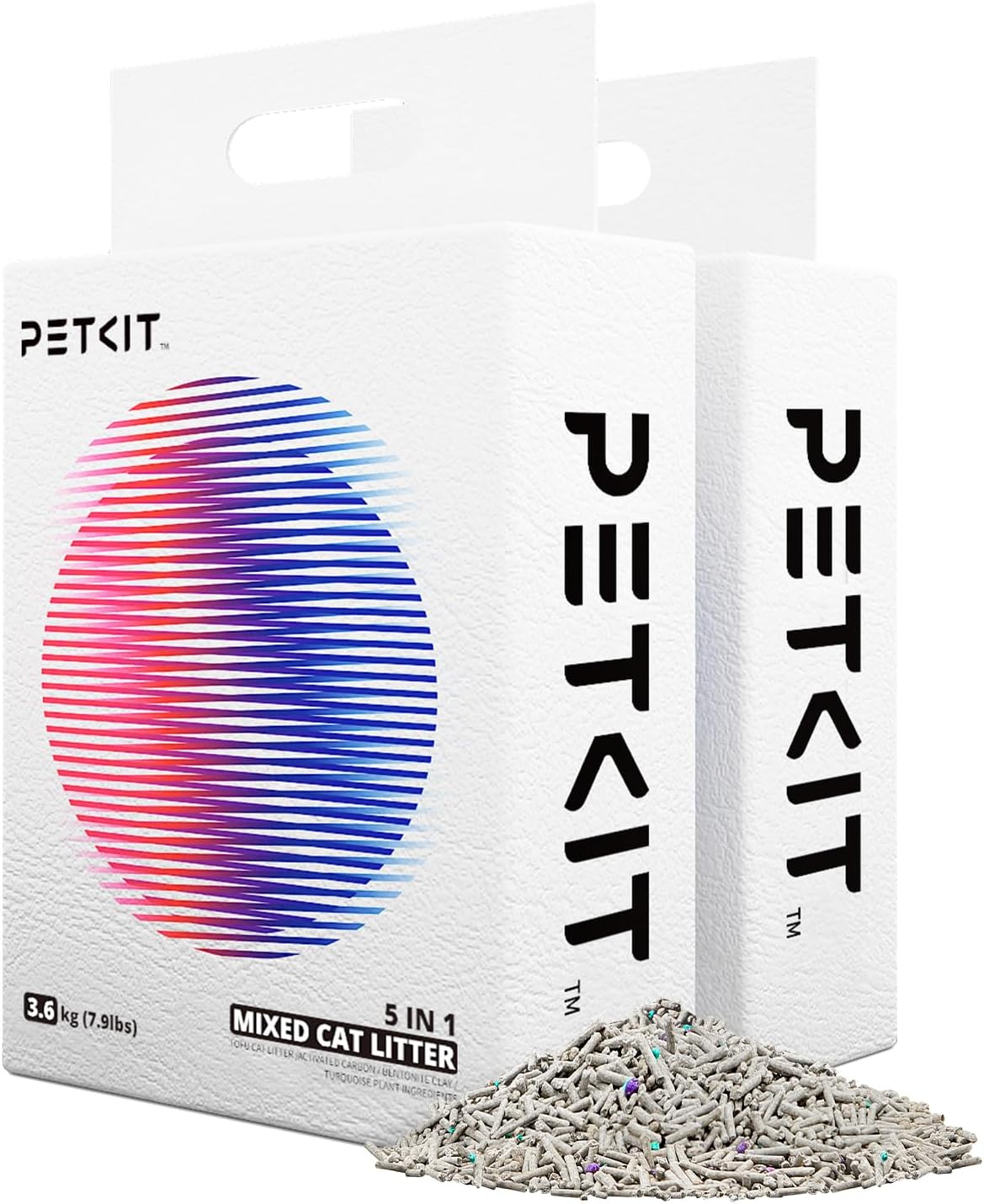
Most self-cleaning mechanisms require clumping clay or clumping bentonite litter with particle size above 0.5mm. Crystal litter, pellet litter, non-clumping litter, and ultra-fine “dust-free” clumping litters are incompatible with most mechanisms. The Litter-Robot specifically warns against fine clumping litters.
If you currently use a specific litter your cat is comfortable with and it’s incompatible with self-cleaning boxes, factor in the cost and disruption of a litter transition on top of the box transition. Some cats refuse new litter types — two simultaneous changes amplify rejection risk.
Who Should and Shouldn’t Buy Self-Cleaning
Good fit: Multi-cat households where manual scooping frequency is genuinely burdensome. Picky cats that consistently avoid dirty boxes. People who travel and need reliable cleanliness during short absences. Anyone whose daily schedule makes twice-daily scooping difficult to maintain.
Poor fit: Skittish cats with strong startle responses. Households using non-clumping or alternative litter types. Anyone unwilling or unable to return the unit if the cat rejects it. Kitten households — wait until the cat is 6+ months before transitioning to a self-cleaning box.
Quick Answers
What litter works with self-cleaning boxes? Clumping clay or clumping bentonite litter with particle size above 0.5mm. Crystal, pellet, and non-clumping litters are incompatible with most mechanisms. Check your specific model’s documentation.
How long do self-cleaning litter boxes last? The Litter-Robot is rated for 10+ years with proper maintenance. Mid-range rake mechanisms typically last 3–5 years. The waste drawer and sensors require periodic replacement parts.




Write Your Review
No reviews yet. Be the first to share your experience!