

Golden retrievers shed heavily all year, with two intense blowout periods in spring and fall when they drop their seasonal undercoat. On a scale from light to heavy, goldens sit firmly at the heavy end — consistently ranking among the top five highest-shedding breeds. If you share your home with one, dog hair on furniture, clothing, and floors is a permanent fixture of daily life, not an occasional inconvenience.
That said, the intensity varies significantly depending on season, diet, health, and how consistently you groom. Understanding those variables is the difference between manageable and overwhelming.
Why Golden Retrievers Shed So Much
The golden retriever’s coat is a double coat: a dense, water-resistant outer layer of longer guard hairs, and a soft, thick undercoat underneath. Both layers serve real purposes — the undercoat insulates in cold weather and helps regulate temperature in heat, while the outer coat repels moisture and provides some protection from brush and debris.
The problem, from a furniture-and-floors perspective, is that the undercoat sheds continuously. Guard hairs shed more slowly and in smaller quantities, but the undercoat releases loose fur constantly. When seasonal temperatures shift, the body sends a hormonal signal to drop the entire undercoat and grow a new one — that is what triggers the blowout periods that leave golden retriever owners temporarily buried in fur.
Biscuit’s first spring blowout genuinely surprised me. I had owned dogs before, but nothing that had prepared me for three weeks of fur that came off in tufts during brushing and still somehow covered every surface in the house. That is normal for the breed. It is not a health problem — it is just what a double coat does.
Shedding Timeline: What to Expect Month by Month
Golden retriever shedding follows a predictable annual pattern, though the exact timing shifts by a few weeks depending on your climate and whether your dog spends significant time outdoors.
January through February: Moderate shedding. The winter undercoat is fully grown and mostly stable. Brushing twice a week is usually sufficient to keep loose fur under control.
March through May (Spring Blowout): Heavy to very heavy shedding. This is the most intense period for most goldens. The winter undercoat releases to make room for a lighter summer coat. Daily brushing during peak weeks is not optional — it is the difference between manageable clumps and mats that require a groomer to cut out. Expect your vacuum filters to need cleaning significantly more often.
June through August: Moderate shedding with a thinner coat. The summer coat is shorter and less dense. Shedding continues but at a lower volume than during blowout. Heat can cause some additional shedding if the dog is not well-hydrated or is under stress.
September through November (Fall Blowout): Heavy shedding, similar to spring but slightly shorter in duration for most dogs. The summer coat drops to make way for the thicker winter undercoat. Expect two to four weeks of elevated shedding.
December: Moderate shedding as the winter coat settles in. Back to the twice-a-week brushing routine until the cycle repeats.
| Breed | Shedding Level | Blowout Season | Coat Type |
| Golden Retriever | Heavy, year-round | Yes (spring + fall) | Double coat, long |
| Labrador Retriever | Heavy, year-round | Yes (spring + fall) | Double coat, short |
| Siberian Husky | Very heavy | Yes (extreme blowout) | Double coat, dense |
| German Shepherd | Heavy, year-round | Yes (spring + fall) | Double coat |
| French Bulldog | Low to moderate | No | Single coat, short |
| Poodle | Very low | No | Single coat, curly |
| Dachshund (smooth) | Low to moderate | Minimal | Short, single |
Factors That Affect How Much Your Golden Sheds
Two golden retrievers in the same household can shed at noticeably different rates. Several factors drive that variation, and most of them are within your control as an owner.
Diet and omega-3 intake:A golden retriever on a low-quality diet with insufficient omega-3 fatty acids will shed more than one eating a balanced, nutrient-dense food. Omega-3s — particularly EPA and DHA — support the skin barrier and reduce the rate of follicle turnover. I added a fish oil supplement to Biscuit’s food at around age three and noticed a visible difference in coat texture and mat frequency within six weeks. See our guide to the best omega-3 fish oil for dogs if you want product-specific recommendations.
Spay and neuter status:Hormonal changes after spaying or neutering can affect coat texture in some goldens — typically making the coat slightly coarser and denser, which can increase perceived shedding volume. This is breed-specific and not universal, but it is worth knowing if you notice a change in your dog’s coat after the procedure.
Health conditions:Thyroid issues (hypothyroidism is relatively common in goldens), allergies, and skin conditions can all cause shedding above normal baseline levels. If your golden is losing fur in patches, showing skin irritation, or shedding dramatically more than usual outside of blowout season, a vet check is warranted. See why is my dog shedding so much suddenly for a breakdown of medical vs. normal causes.
Grooming consistency:A golden that is brushed regularly releases loose fur in a controlled way — onto the brush, not your sofa. A golden that is brushed infrequently holds onto loose fur longer, then releases it all at once in larger clumps. Regular brushing is the single highest-leverage action you can take to reduce the fur load in your home.
Indoor vs. outdoor time:Dogs with significant outdoor time tend to have more regulated seasonal blowouts because their coat responds more directly to natural daylight and temperature cycles. Indoor dogs on artificial lighting can have slightly less predictable shedding patterns — sometimes shedding more consistently year-round rather than in concentrated seasonal bursts.
The Real Cost of Golden Retriever Shedding
This is the part most breed guides skip, but USA owners researching goldens before adopting deserve a realistic picture of the ongoing costs.
Grooming costs:Professional grooming for a golden retriever typically runs between $65 and $120 per visit depending on location, coat condition, and service level. Most owners do this every six to ten weeks. If you skip grooming during blowout season, that cost goes up because matted coats take longer to de-shed and detangle. Investing in a quality undercoat rake and slicker brush for at-home maintenance between professional visits pays for itself within a few months.
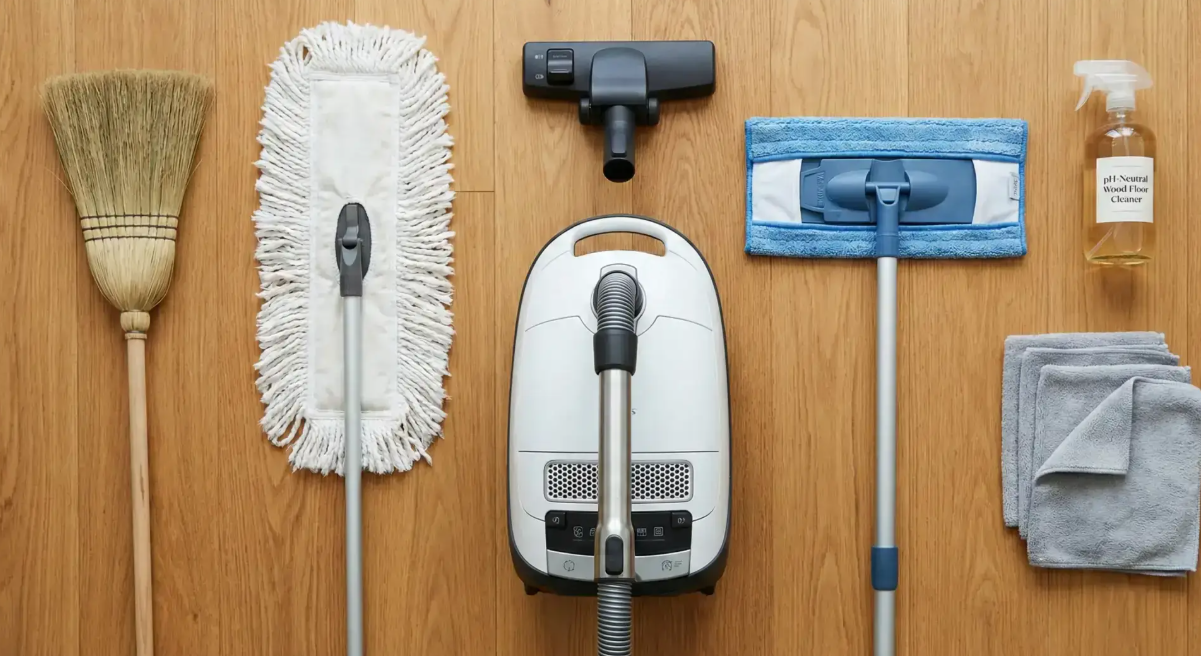
Vacuum and filter costs:A standard vacuum used daily on golden retriever fur will burn through filters faster than the manufacturer’s replacement schedule assumes. Budget for filter replacements roughly twice as often as the recommended interval. HEPA-rated vacuums handle pet hair more effectively — see our best vacuum for golden retriever hair guide for options tested specifically for double-coat breeds.
Furniture and bedding protection:Sofa covers, washable throws, and lint rollers are practical ongoing expenses. Washable covers pay off quickly over disposable lint rollers. Ourbest pet-friendly sofa coversguide covers options that hold up to daily golden retriever use and machine washing.
Dry cleaning and clothing:Golden fur embeds in fabric in a way that standard washing does not always fully remove. Wool coats, blazers, and formal clothing worn around a golden will need professional cleaning more frequently.
Golden Retriever vs. Other Breeds: How Does Shedding Compare?
Context helps. Here is where goldens fall relative to breeds that USA families commonly compare them against.
Goldens shed at roughly the same volume as Labradors. The key difference is fur length — golden fur is longer and more visible on dark clothing and furniture. Labs leave shorter, finer fur that can actually be harder to remove from fabric because it embeds deeper. For a detailed side-by-side comparison of the two breeds on suitability for families, see golden retriever vs labrador for families.
How to Manage Golden Retriever Shedding at Home
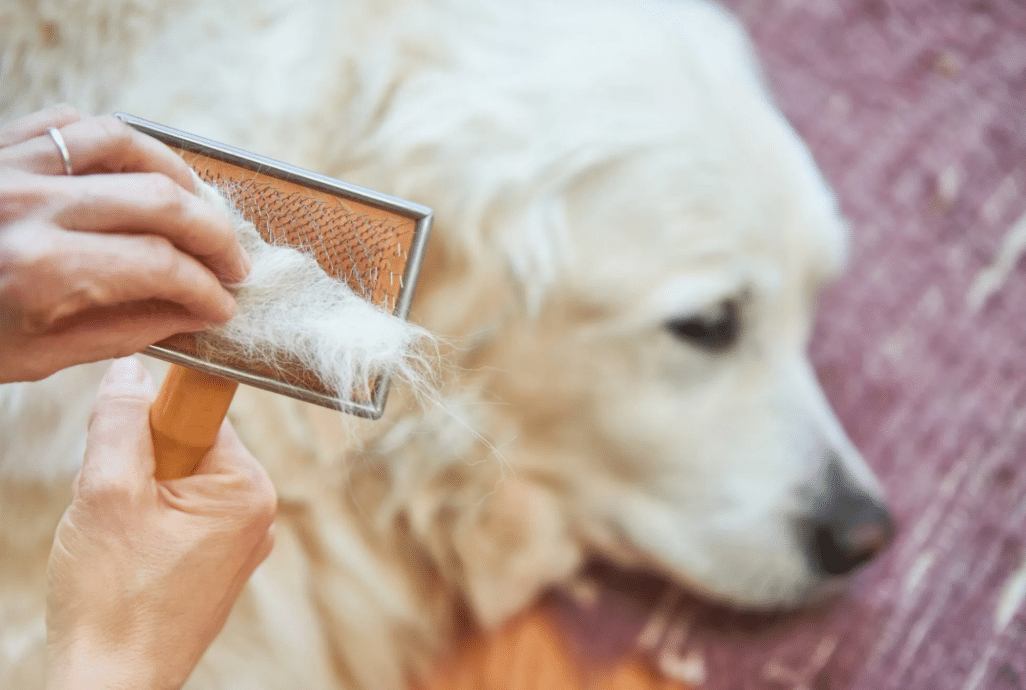
Brushing routine:Aim for at least three times a week during non-blowout months and daily during spring and fall blowout. Use a slicker brush for the outer coat and a long-toothed undercoat rake or deshedding tool (the Furminator is widely used, though aggressive daily use can damage guard hairs — limit to two or three times per week at most). For brush options specific to this breed, see best brush for golden retriever shedding.
Bathing frequency:Every four to six weeks with a deshedding shampoo helps loosen the undercoat and reduces ambient shedding between baths. Blow-drying after bathing — using a high-velocity pet dryer if you have one — removes a significant volume of loose undercoat in a single session.
Diet:High-quality protein as the first ingredient, plus omega-3 supplementation, supports coat health from the inside. This will not eliminate shedding, but it meaningfully reduces the volume and improves coat texture.
Home management:Washable furniture covers on sofas and armchairs reduce the cleaning burden significantly. Microfiber and tight-weave fabrics shed fur more easily than velvet or chenille. For bedding that handles golden retriever fur well without constant washing, see ourbest pet-proof bedding setsguide.
When Shedding Becomes Abnormal
Normal golden retriever shedding is heavy but even — distributed across the coat with no bald patches, no skin irritation, and no change in the dog’s overall health or behavior. Contact your vet if you notice any of the following.
Bald patches or thinning in specific areas rather than overall shedding. Skin that is red, flaky, greasy, or has visible sores beneath the fur. Shedding that begins suddenly and is dramatically heavier than the dog’s normal pattern outside of blowout season. Excessive scratching, licking, or biting at the coat alongside increased shedding. These can indicate thyroid issues, allergies, skin infections, or nutritional deficiencies — all treatable when caught early.
Frequently Asked Questions
Do golden retrievers shed more than Labradors?
Goldens and Labradors shed at similar volumes, but golden fur is longer and more visible on surfaces and clothing. Labs shed shorter fur that embeds more deeply into fabric. Neither breed is significantly easier than the other from a home management standpoint.
Is there a time of year when golden retrievers shed the least?
January through February and June through August tend to be the lower-shedding periods between seasonal blowouts. Even during these months, expect moderate daily shedding — goldens do not have a truly low-shedding period.
Can you shave a golden retriever to reduce shedding?
No — shaving a golden retriever’s double coat does not reduce shedding and can permanently damage coat texture and the coat’s ability to regulate body temperature. The undercoat and guard hairs grow back at different rates, often resulting in a cottony, mat-prone coat. Regular deshedding and brushing is the correct approach.
Does spaying or neutering change golden retriever shedding?
It can. Some spayed and neutered goldens develop a denser, slightly coarser coat than intact dogs of the same breed, which can increase perceived shedding volume. The effect varies by individual dog and is not guaranteed, but it is a documented pattern in double-coat breeds.
More FurlyHome Breed and Home Guides
- Golden Retriever Home Setup Guide for New Owners
- Best Dog Bed for Golden Retriever
- Do Labrador Retrievers Shed a Lot?
- Golden Retriever vs Labrador: Which Is Better for Families?
- Best Pet-Friendly Sofa Covers
- Best Washable Rugs for Dog Owners
Our Verdict
Golden retrievers shed heavily and consistently, with two serious blowout periods per year that require daily brushing to stay ahead of. This is not a breed you can bring home hoping the shedding will be manageable without active effort — it requires a real grooming routine, appropriate home setup, and realistic expectations about fur on clothing and furniture.
The good news is that the shedding is predictable and manageable with the right tools and habits. Biscuit sheds year-round and I have never regretted getting him. But I also have a dedicated lint roller in every room, a sofa cover that gets washed weekly, and a brushing habit that has become as routine as his morning walk.







Write Your Review
No reviews yet. Be the first to share your experience!