

Do Labrador Retrievers Shed a Lot?
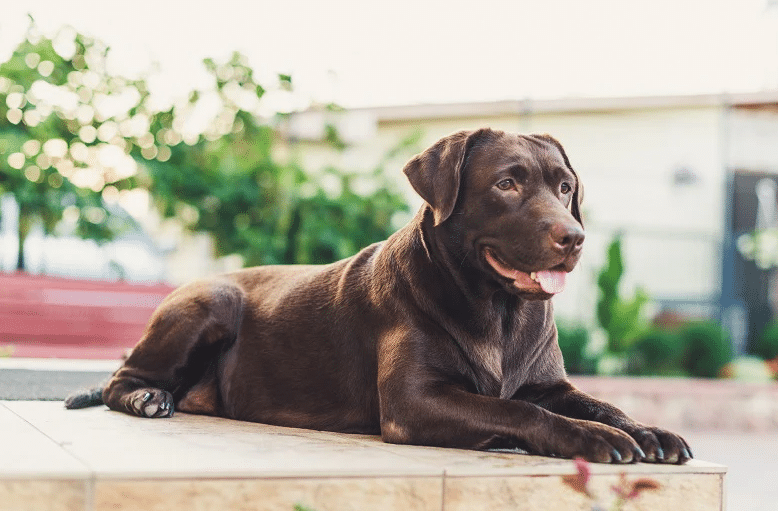
Yes — Labrador retrievers shed heavily year-round and rank among the highest-shedding breeds despite their short coat. The misconception that short coats shed less than long coats does not apply here: Labs have a dense double coat that releases fur continuously, with two intense blowout periods each spring and fall. What makes Lab shedding particularly noticeable is that the short, stiff fur embeds into upholstery and clothing fibers rather than sitting on the surface, making it harder to remove than the longer fur of a golden retriever.
Why Labs Shed So Much Despite a Short Coat
Labrador retrievers have a double coat — a dense, waterproof outer layer of short guard hairs and a soft, insulating undercoat. Both layers shed continuously. The outer guard hairs are short and stiff, which allows them to work their way into fabric loops and textile fibers rather than resting on the surface. This is why a Lab’s black fur on a beige sofa often requires a lint brush or rubber glove to remove, whereas longer golden retriever fur can sometimes be lifted off in one pull.
The undercoat sheds at a higher rate than the guard hairs and is the primary driver of the “year-round fur cloud” that Lab owners describe. During seasonal blowouts, the undercoat releases in large volumes — tufts, rather than individual hairs — for two to four weeks at a time.
Lab Shedding by Season
| Period | Shedding Level | Management Needed |
| Jan–Feb | Moderate | Twice-weekly brushing |
| Mar–May (blowout) | Very heavy | Daily brushing, extra vacuuming |
| Jun–Aug | Moderate | Twice-weekly brushing |
| Sep–Nov (blowout) | Heavy | Daily brushing for 2-3 weeks |
| December | Moderate | Twice-weekly brushing |
Labrador Shedding vs. Golden Retriever Shedding
Labs and goldens shed at comparable volumes — both rank as heavy shedders. The experience differs in character: golden fur is longer and more visible on dark clothing but easier to remove from most surfaces. Lab fur is shorter, stiffer, and embeds more stubbornly. Neither is meaningfully easier to manage in a home — they simply require slightly different approaches. For a full breed comparison including shedding, temperament, and family suitability, see our golden retriever vs labrador for families guide.
Does Lab Color Affect Shedding?
No — yellow, black, and chocolate Labradors all shed at the same rate. The perception differs because black Lab fur is more visible on light-colored furniture and clothing, while yellow Lab fur shows more on dark surfaces. You notice what contrasts with your home’s color palette, not what is objectively more fur.
Factors That Affect Lab Shedding
Diet quality:A Lab on a high-quality diet with adequate omega-3 fatty acids sheds measurably less than one on a low-quality food. Omega-3s support the skin barrier and reduce follicle turnover rate. Supplementing with fish oil is one of the highest-leverage dietary changes for coat management — see our best omega-3 fish oil for dogs guide for options.
Weight and overall health:Overweight Labs shed more — excess body weight is associated with higher systemic inflammation, which affects follicle cycling. Labs are one of the breeds most prone to obesity, making weight management a dual priority for health and coat quality. See how to tell if your dog is overweight for the at-home assessment method.
Grooming consistency:A Lab brushed regularly releases loose fur in a controlled, scheduled way. One brushed infrequently releases the same total fur but deposits it around the house in sudden large volumes. Consistent brushing is the single most effective home management strategy.
Allergies and skin conditions:Labs are prone to environmental and food allergies that can increase shedding above normal baseline. If your Lab sheds asymmetrically, has patches of thinning fur, or scratches frequently alongside increased shedding, an allergy or skin issue is worth investigating.
How to Manage Lab Shedding at Home
Brushing tool:A rubber curry brush or grooming mitt works well for the outer coat. A deshedding tool like an undercoat rake addresses the dense undercoat directly. Brushing twice a week outside of blowout season and daily during blowouts covers most of the loose fur before it reaches your furniture.
Bathing:Monthly bathing with a deshedding shampoo loosens dead undercoat and removes skin debris. Blow-dry with a high-velocity pet dryer rather than air-drying — the airflow removes additional loose undercoat in a single session that would otherwise shed over the following week.
Home surfaces:Tight-weave upholstery fabrics — microfiber, canvas, outdoor-grade fabrics — release Lab fur more easily than velvet, chenille, or loose-weave textiles. Washable sofa covers and machine-washable bedding significantly reduce the weekly cleaning burden. See our best pet-proof bedding setsandbest pet-friendly sofa covers for options rated for short, dense pet fur.
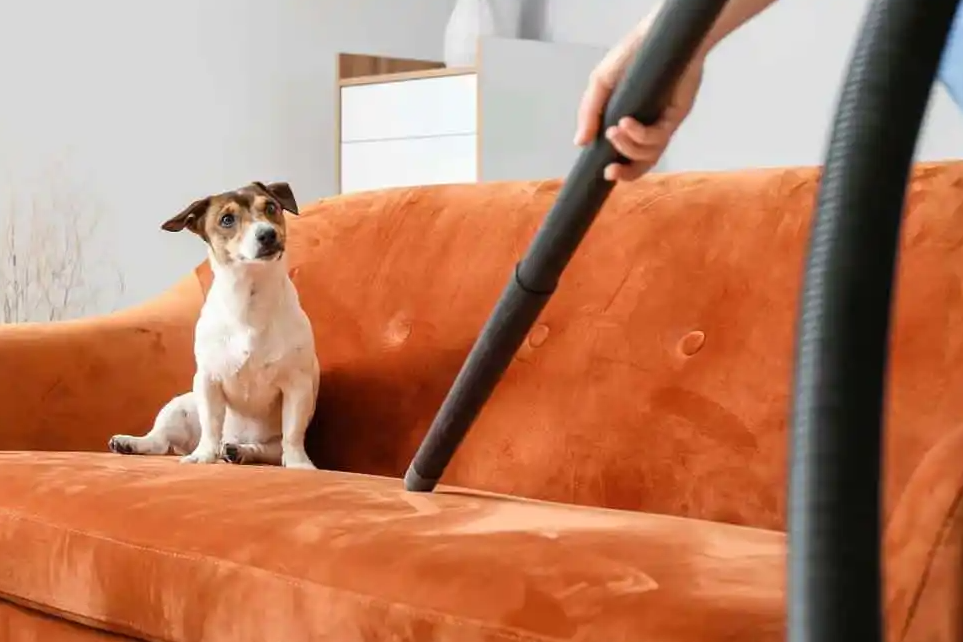
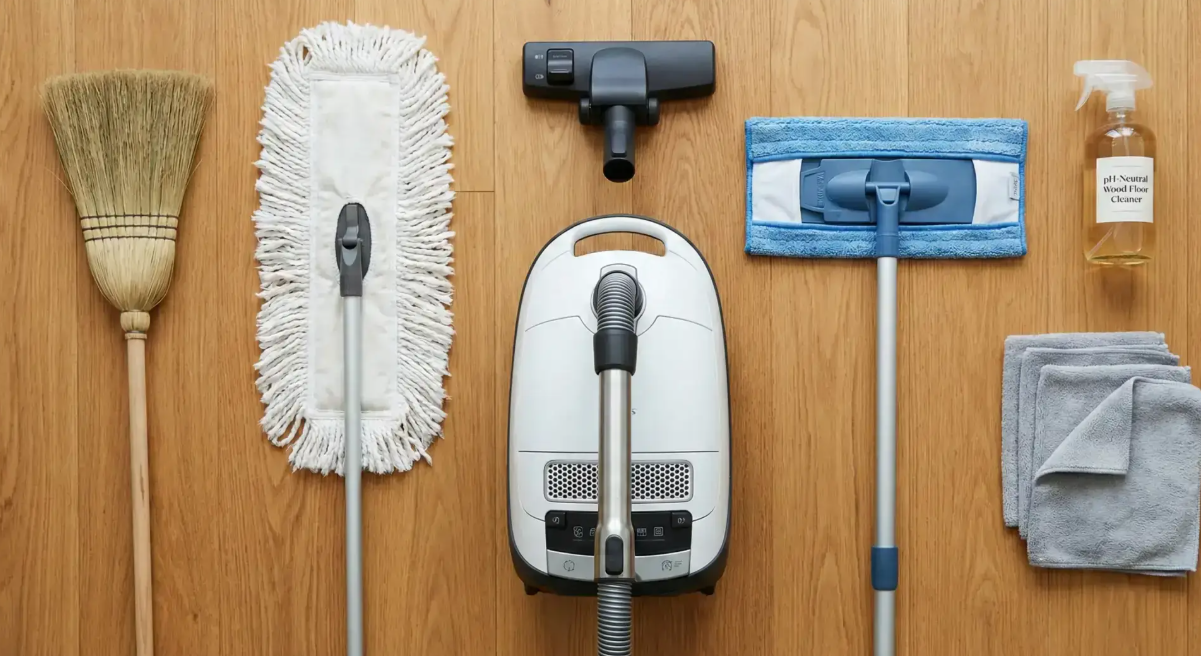
Vacuuming:A vacuum with a motorized brush head and strong suction is necessary to extract embedded short Lab fur from carpet and upholstery. Standard upright vacuums with basic attachments often leave short fur behind in fabric loops. For a full home setup guide for Labs, see our labrador retriever home setup checklist.
When Shedding Is Abnormal
Contact your vet if your Lab develops bald patches, has visible skin irritation beneath the fur, sheds dramatically more than usual outside of blowout season, or shows behavioral changes alongside increased shedding. Hypothyroidism — relatively common in Labs — causes a distinctive coat change including increased shedding, dull fur, and symmetrical hair loss on the trunk.
Frequently Asked Questions
Do Labs shed more than golden retrievers?
Labs and goldens shed comparable volumes. Lab fur is shorter and embeds more stubbornly in fabric; golden fur is longer and more visible on surfaces. Neither is significantly easier to manage in a home — they simply feel different in practice.
What time of year do Labs shed the most?
Spring (March through May) is typically the heaviest shedding period as the winter undercoat drops. A secondary blowout occurs in fall. Both blowout periods last two to four weeks.
Does bathing a Lab reduce shedding?
Bathing with a deshedding shampoo loosens dead undercoat and removes a significant volume of fur in one session. Combined with blow-drying, a bath can reduce ambient shedding noticeably for one to two weeks afterward.
More FurlyHome Breed Guides
- Labrador Retriever Home Setup Checklist
- Best Dog Bed for Labrador Retriever
- Golden Retriever vs Labrador for Families
- How Much Does a Golden Retriever Shed?
- Best Washable Rugs for Dog Owners
Verdict
Labrador retrievers shed heavily, year-round. Their short dense double coat releases fur continuously and produces two significant seasonal blowouts per year. The short fur embeds in fabric more stubbornly than longer breeds, which catches many Lab owners off guard. Consistent weekly brushing, a quality diet with omega-3 supplementation, and washable furniture covers are the baseline management tools for Lab households.




Write Your Review
No reviews yet. Be the first to share your experience!