

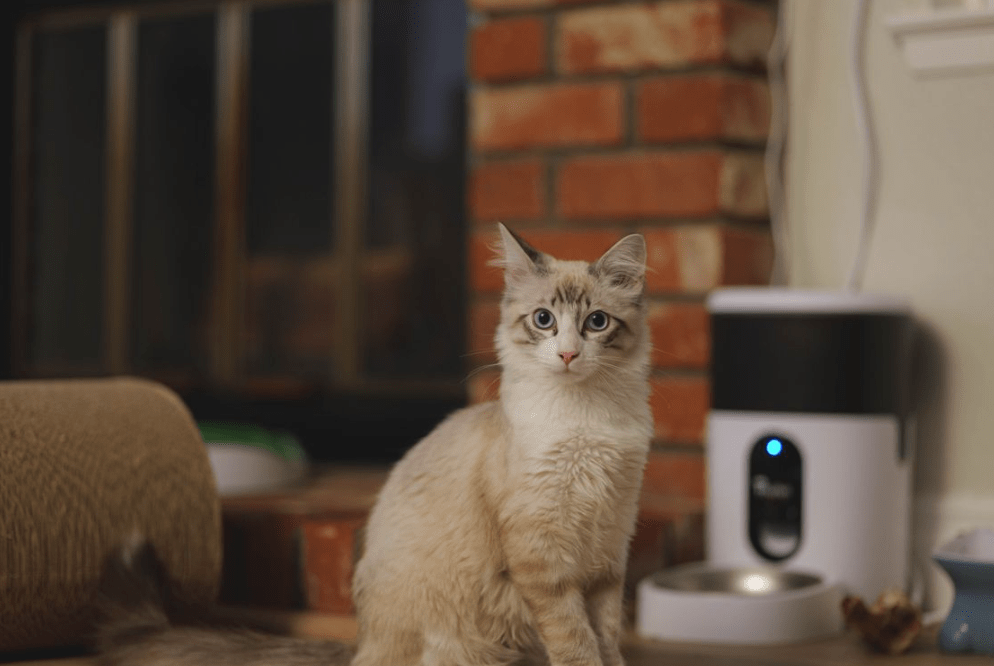
An automatic feeder that jams is worse than no feeder at all — your cat misses a meal with no warning and no backup. The causes are almost always one of five things, all preventable once you know what to look for.
The Five Causes of Feeder Jams
- Kibble size mismatch: Most automatic feeders are engineered for medium kibble (8–10mm diameter). Large breed kibble (14–16mm) gets wedged in the auger. Small kibble (3–5mm) packs together and bridges across the hopper outlet. Check your feeder’s kibble size specification — it’s usually in the product documentation, rarely on the box.
- High-fat or oily kibble: Premium kibble with high fat content leaves oil residue on the auger over time. The residue attracts fine kibble dust, which forms a sticky paste that gradually slows and eventually jams the mechanism. Fix: wipe the auger with a dry cloth weekly.
- Humidity and moisture: Kibble absorbs humidity. Near a water bowl or in humid climates, kibble in the hopper can clump together and form a bridge that blocks the outlet. Keep kibble in a sealed container. Load the hopper for 3–5 days at a time rather than filling it completely.
- Overfilling: A full hopper puts weight pressure on kibble at the bottom, compressing it around the auger. Fill to 70–80% capacity maximum. This is the easiest preventive fix and the most commonly ignored instruction.
- Motor wear: If a feeder that previously worked correctly starts jamming with the same kibble and conditions, the motor is likely wearing out. Most feeder motors last 18–36 months with daily use. Jams from motor wear produce a specific symptom: the motor runs but the auger doesn’t turn — you hear it without kibble dispensing.
Fixing a Current Jam
Step 1: Unplug before reaching into the feeder mechanism. Never clear a jam with the power on.
Step 2: Remove the hopper completely. Use the dry brush included with most feeders to clear kibble from the auger chamber. Do not use water — moisture in the motor housing causes more damage than the original jam.
Step 3: Reassemble, reload with fresh dry kibble at 70% capacity, and run a manual dispense cycle to confirm function before relying on it again.
Preventive Maintenance Schedule
Weekly: Wipe the auger and dispensing chute with a dry cloth. Check for oil residue buildup from high-fat kibble. Run one manual dispense cycle to confirm smooth operation.
Monthly: Empty the hopper completely. Wash the bowl and hopper with dish soap, dry thoroughly before reloading. Check the power cord connection.
Every 6 months: Inspect the auger mechanism for wear. Listen for grinding or labored motor sounds during a manual dispense cycle. Grinding indicates debris; laboring indicates motor wear.
Kibble Storage to Prevent Humidity Jams
The most reliable prevention for humidity-related bridging: store your kibble bag inside an airtight pet food container rather than in the original bag. Load the feeder from the sealed container. Don’t fill the hopper more than 5 days’ worth at a time.
In consistently humid climates (above 70% relative humidity), consider a feeder model with a sealed hopper — SureFeed and Petlibro models offer sealed storage that significantly reduces humidity exposure compared to open-top hopper designs.
Quick Answers
Why does my cat feeder dispense too much or too little? Portion inconsistency is a kibble size issue. Fine kibble dispenses faster than the sensor expects; large kibble dispenses slower. Recalibrate the portion setting after switching kibble brands or sizes.
Can I use pellet cat food in an automatic feeder? Some feeders handle pellets; most don’t. Pellets are often too light and bounce, jamming differently than kibble. Check the manufacturer’s compatibility list specifically — not just “dry food” claims.
My feeder jams every few days. Should I replace it? If you’ve addressed kibble size, humidity, and overfilling and jams persist, check the motor age. A feeder over 2 years old with daily use and persistent jamming is likely approaching end of motor life. Replacement is more cost-effective than repeated clearing.




Write Your Review
No reviews yet. Be the first to share your experience!