

How Long Do Dachshunds Live?
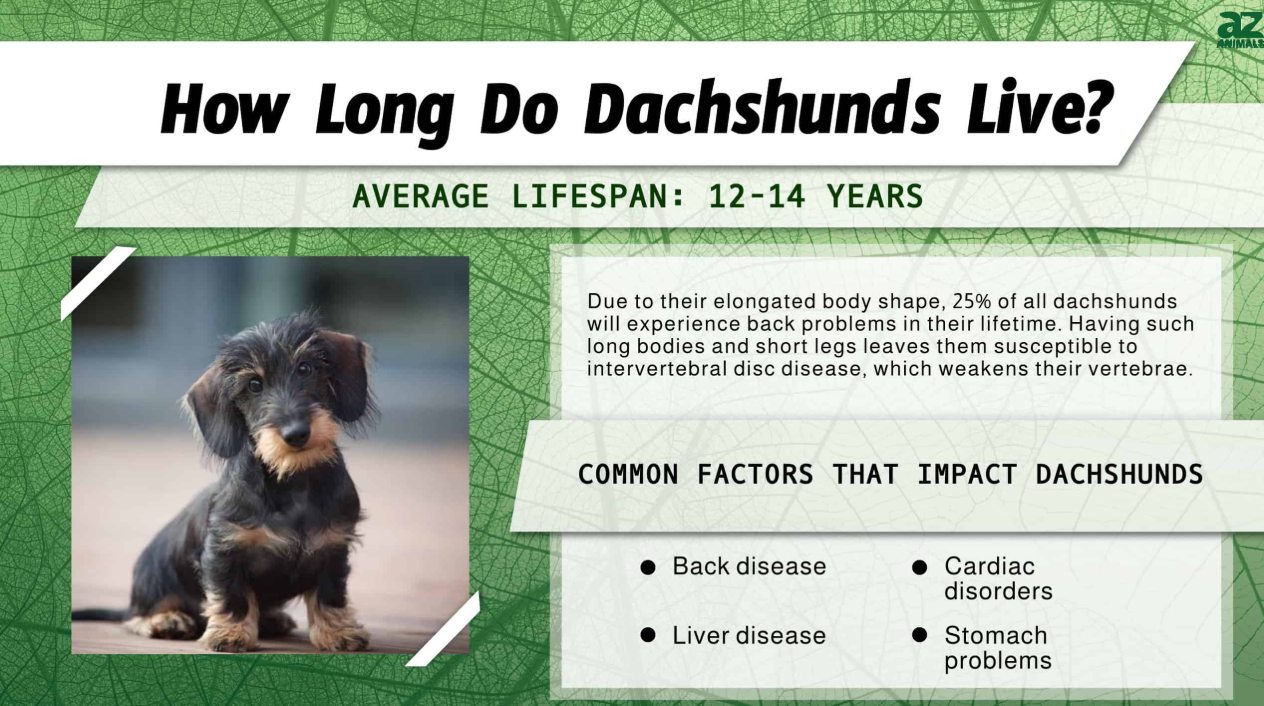
Dachshunds live an average of 12 to 16 years, placing them among the longest-lived dog breeds by lifespan. Individual dogs regularly reach 15 or 16 years in good health, and 17-year-old dachshunds are not unheard of. The combination of small body size — a known longevity predictor in dogs — and the breed’s generally robust constitution contributes to this long lifespan. The main factors that shorten dachshund lives are preventable: obesity, spinal injury, and delayed veterinary care for the breed’s characteristic health issues.
Why Small Dogs Live Longer Than Large Dogs
The inverse relationship between body size and lifespan in dogs is well-documented. Large breeds like golden retrievers and German shepherds age faster at the cellular level — their larger body mass creates higher metabolic demands that accelerate biological aging. A 70-lb golden retriever is physiologically “older” at age 7 than a 12-lb miniature dachshund at the same chronological age.
Standard dachshunds (16–32 lbs) fall in the small-to-medium range that consistently outperforms large breeds on longevity. Miniature dachshunds (under 11 lbs) have an even longer expected lifespan — regularly 14 to 17 years when well-maintained.
Dachshund Lifespan by Variety
| Variety | Weight Range | Average Lifespan |
| Miniature Dachshund | Under 11 lbs | 14–17 years |
| Standard Dachshund | 16–32 lbs | 12–15 years |
Leading Causes of Early Death in Dachshunds
Intervertebral disc disease (IVDD):This is the defining health risk for the breed. The dachshund’s elongated spine and shortened legs create structural vulnerability in the intervertebral discs — the cushioning tissue between vertebrae. Disc herniation can cause sudden paralysis, chronic pain, or progressive mobility loss. IVDD is responsible for a significant portion of dachshund deaths that occur before natural old age, typically through quality-of-life decisions following severe episodes. See our guide on why dachshunds have back problems for a full breakdown of IVDD, prevention, and management.
Obesity:Weight is the most controllable lifespan factor for dachshunds. Excess body weight dramatically increases spinal load on an already vulnerable spine — a dachshund carrying even two extra pounds above ideal weight experiences disproportionately higher disc pressure than a taller breed would with the same excess weight. Obesity also accelerates joint deterioration and increases the risk of cardiac and metabolic disease. Keeping a dachshund lean is not an aesthetic preference — it is the single most impactful longevity intervention available to owners.
Cardiac disease:Older dachshunds are prone to mitral valve disease — a gradual heart condition that is managed but not cured. Regular veterinary cardiac screenings from age seven onward allow for early detection and medical management that extends comfortable life significantly.
Cushing’s disease:Dachshunds have higher rates of hyperadrenocorticism (Cushing’s) than many breeds. Symptoms include increased thirst and urination, weight gain, pot-belly appearance, and hair thinning. Left untreated, it shortens lifespan and reduces quality of life. It is treatable when caught.
Factors That Extend Dachshund Lifespan
Maintaining healthy weight:The most impactful longevity factor under owner control. A lean dachshund with a visible waist tuck and palpable ribs has meaningfully lower spinal stress and metabolic disease risk than one carrying excess weight.
IVDD prevention at home:Ramps instead of stairs for furniture access, no jumping on and off beds or sofas, and avoiding activities that put rotational stress on the spine all reduce IVDD risk. Harness use rather than neck collar for walks further reduces cervical spine stress. For a home specifically set up to protect a dachshund’s back, see our best dog bed for dachshund bad back guide.
Regular veterinary care:Cardiac screening from age 7, annual bloodwork to catch metabolic changes early, and proactive dental care (small breeds have higher rates of dental disease, which is linked to cardiac complications) all contribute to longer healthy lives.
Appropriate exercise:Regular low-impact exercise — daily walks on flat surfaces — maintains healthy weight and muscle tone that supports the spine. High-impact activities like jumping and rough play on stairs are higher-risk for IVDD.
Dental care:Small breeds accumulate tartar rapidly and are at higher risk for periodontal disease. Regular teeth brushing and professional cleanings reduce systemic inflammation associated with chronic dental infection. See our guide on how to keep dog teeth clean without brushing for alternatives if brushing is not feasible.
Dachshund Lifespan vs. Other Breeds
| Breed | Average Lifespan | Size Category |
| Miniature Dachshund | 14–17 years | Toy/Small |
| Standard Dachshund | 12–15 years | Small-Medium |
| French Bulldog | 10–12 years | Small-Medium |
| Golden Retriever | 10–12 years | Large |
| Labrador Retriever | 10–12 years | Large |
| German Shepherd | 9–13 years | Large |
| Siberian Husky | 12–14 years | Medium |
What to Expect as Your Dachshund Ages
Dachshunds age gracefully when well-managed, but age-related changes begin showing around 7 to 9 years. Reduced stamina on walks, slight slowing of movement, and the beginning of grey around the muzzle are normal early signs. Joint stiffness, more frequent napping, and decreased interest in high-intensity play follow in the 10-to-12-year range.
Senior dachshunds (10-plus years) benefit from orthopedic bedding, ramps for all elevated surfaces including beds and sofas, and adjusted exercise — shorter, more frequent walks rather than one long outing. Cognitive changes in the final years are also possible — dachshunds can develop canine cognitive dysfunction (similar to dementia) that affects sleep patterns and orientation.
Frequently Asked Questions
What is the oldest a dachshund has lived?
The oldest verified dachshund on record was Chanel, who reached 21 years and 114 days — a recognized record holder for the world’s oldest dog at the time. While 21 years is exceptional, dachshunds living to 18 or 19 in good health are documented. The breed’s longevity potential at the upper end is genuinely impressive.
Do miniature dachshunds live longer than standard dachshunds?
Yes, on average. Miniature dachshunds (under 11 lbs) typically live one to two years longer than standard dachshunds (16–32 lbs), consistent with the general pattern of smaller dogs outliving larger ones within the same breed.
What usually kills dachshunds?
In younger and middle-aged dachshunds, IVDD (intervertebral disc disease) resulting in severe paralysis or unmanageable pain is the leading cause of premature death. In older dachshunds, cardiac disease and cancer are the most common causes of natural death.
More FurlyHome Breed Guides
- Why Does My Dachshund Have Back Problems?
- Best Dog Bed for Dachshund Bad Back
- How to Help an Arthritic Dog at Home
- Best Glucosamine Supplement for Senior Dogs
Verdict
Dachshunds are one of the longest-lived dog breeds, with a typical lifespan of 12 to 16 years and miniatures often reaching 17 or beyond. The biggest threats to that lifespan are preventable: obesity, spinal injury from poor home setup, and delayed care for IVDD. Keep your dachshund lean, eliminate unnecessary jumping, invest in ramps and appropriate bedding, and maintain regular veterinary care — these four actions are the foundation of a long, comfortable dachshund life.









Write Your Review
No reviews yet. Be the first to share your experience!